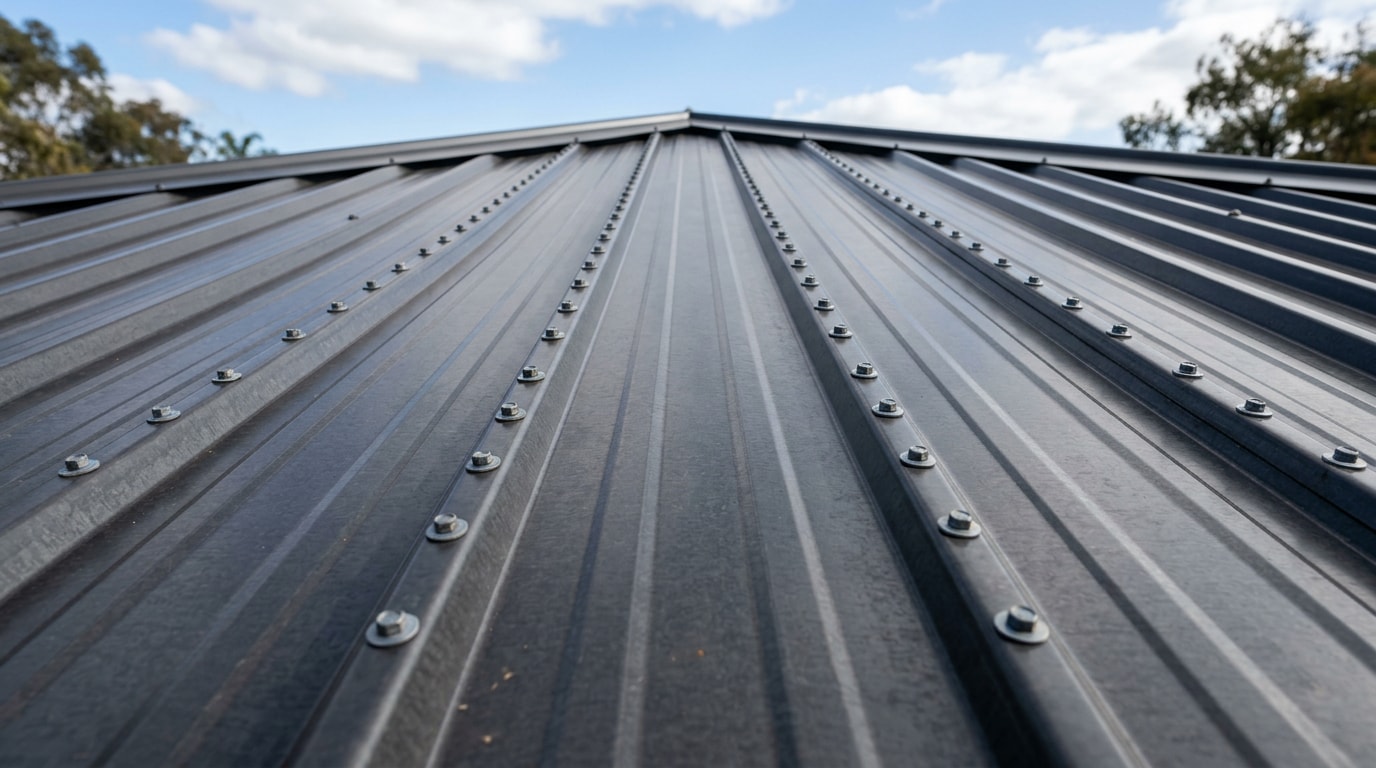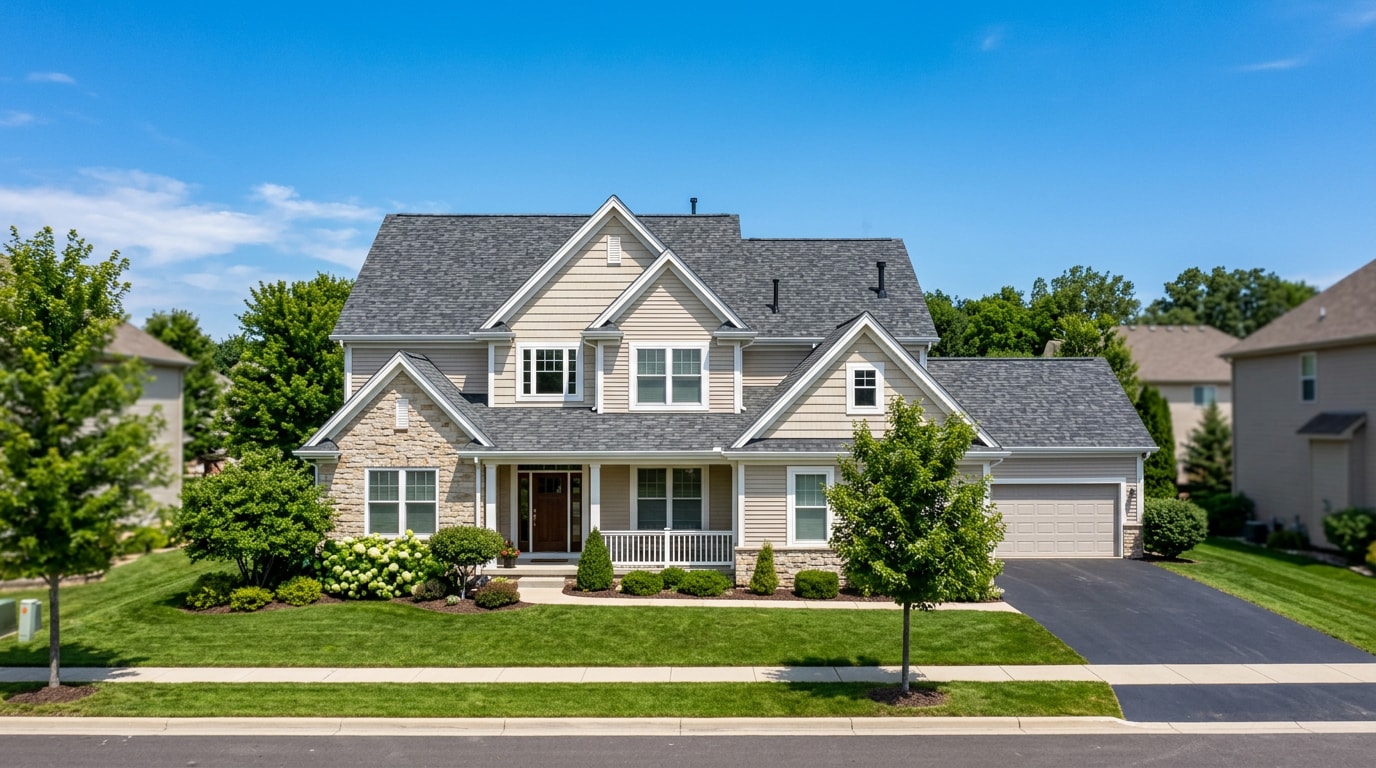
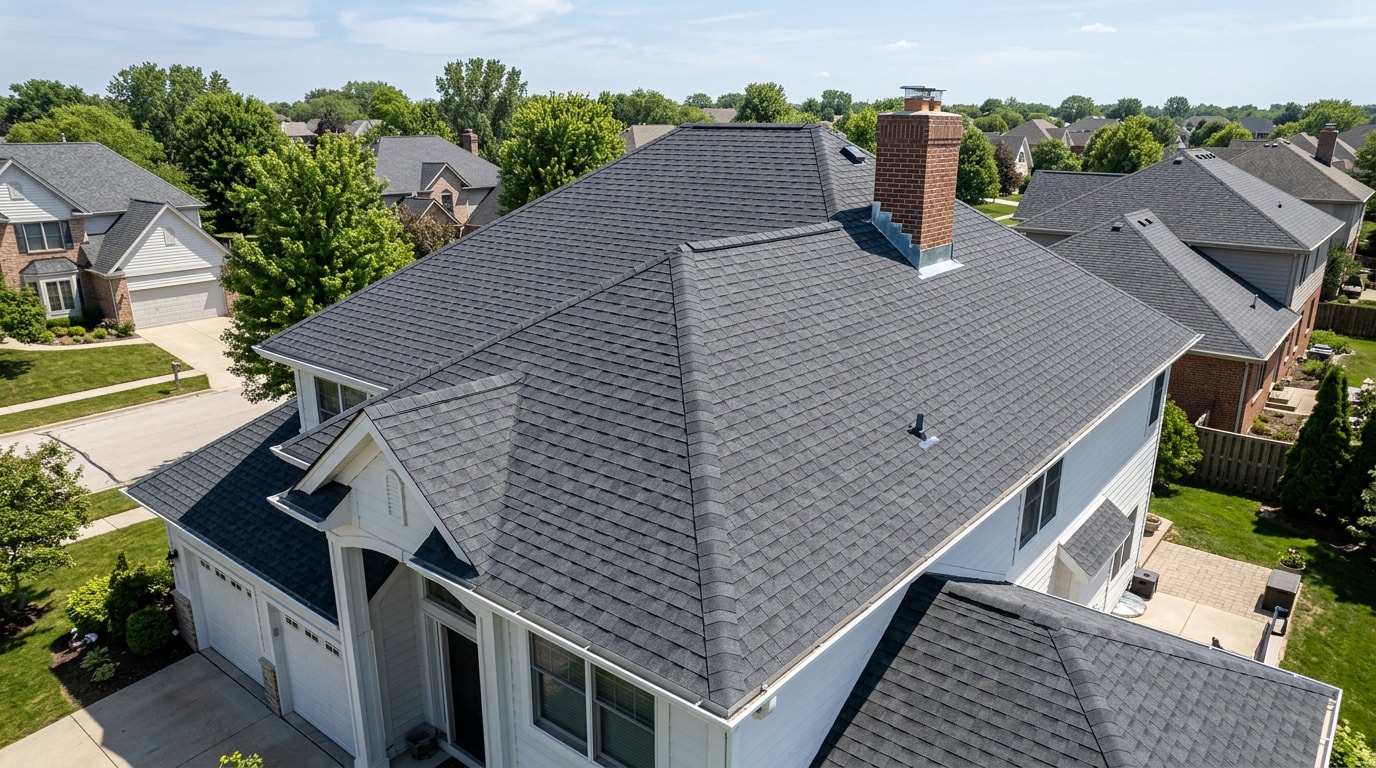
Roofing is the combination of materials, structural layers, and labor used to build, install, and maintain the protective covering on top of a building. It's both a noun (the roof covering itself) and a verb (the work of putting it there and keeping it functional). This guide breaks down what roofing actually includes, the common roof types and materials, how installation works, and the maintenance habits that keep a roof performing for decades.
Visit Black Bear Home Exteriors to see our services and request a free estimate.
What Is Roofing? (Definition)
Roofing refers to two connected things: the physical roof covering and structural layers on a building, and the ongoing work of installing, repairing, and maintaining that system.
People often use "roof" and "roofing" as if they mean the same thing, but there's a real distinction. A roof is the physical structure on top of a building. Roofing is the broader term. It covers the materials, the underlying system of layers, and the labor involved in building and caring for that structure.
Homeowners searching for this term are usually trying to understand one of two things: what a roof is actually made of, or what the process of getting one repaired or replaced looks like. This guide covers both.
Why Roofing Matters
A roof is the single biggest barrier between a building and the outdoors. It sheds rain, blocks wind, resists snow load, and reduces heat gain from direct sun.
A properly built roofing system also supports attic insulation and airflow, which affects indoor comfort and utility bills year-round. When any layer of that system fails, water finds its way into decking, framing, and interior finishes, which is why small roofing issues rarely stay small for long.
Roofing work is also physically demanding and genuinely dangerous. According to a CPWR data bulletin analyzing federal labor statistics, roofers had one of the highest fatal injury rates of any construction occupation, driven mostly by falls. That's a big part of why hiring a licensed, insured crew matters more with roofing than almost any other home exterior project. If you'd rather leave the ladder work to professionals, you can get a free estimate from our team instead of tackling it yourself.
Types of Roofs (Common Roof Styles)
Roof style affects drainage, wind resistance, attic space, and overall cost. The five most common styles are:
- Gable roofs – Two sloped planes meet at a ridge, forming a triangle. They shed water and snow efficiently and work well in wetter climates.
- Hip roofs – All four sides slope toward the walls, which adds stability in high-wind regions.
- Mansard roofs – A four-sided design with two slopes on each side, often used to add usable attic or living space.
- Flat roofs – Nearly level surfaces common on commercial buildings and modern homes, sometimes used as outdoor living space.
- Skillion roofs – A single sloped plane, popular for additions, modern builds, and outbuildings.
Climate and budget usually narrow the choice fast. Homeowners in the Pacific Northwest, for example, lean toward steeper gable and hip designs because they handle heavy seasonal rain better than flat or low-slope alternatives.
Components of a Roofing System
A finished roof looks like a single surface, but it's really a stack of layers, each doing a different job.
- Decking (sheathing): Plywood or OSB boards fastened to the rafters. This is the structural base everything else attaches to.
- Underlayment: A water-resistant layer installed over the decking as a secondary barrier against leaks.
- Flashing: Thin metal installed anywhere the roof changes direction, like valleys, chimneys, and skylights, to redirect water away from seams.
- Ventilation: Intake and exhaust vents that let heat and moisture escape the attic, which helps prevent premature aging of shingles and framing rot.
- Drainage: Slope, valleys, gutters, and downspouts that move water off the roof and away from the foundation.
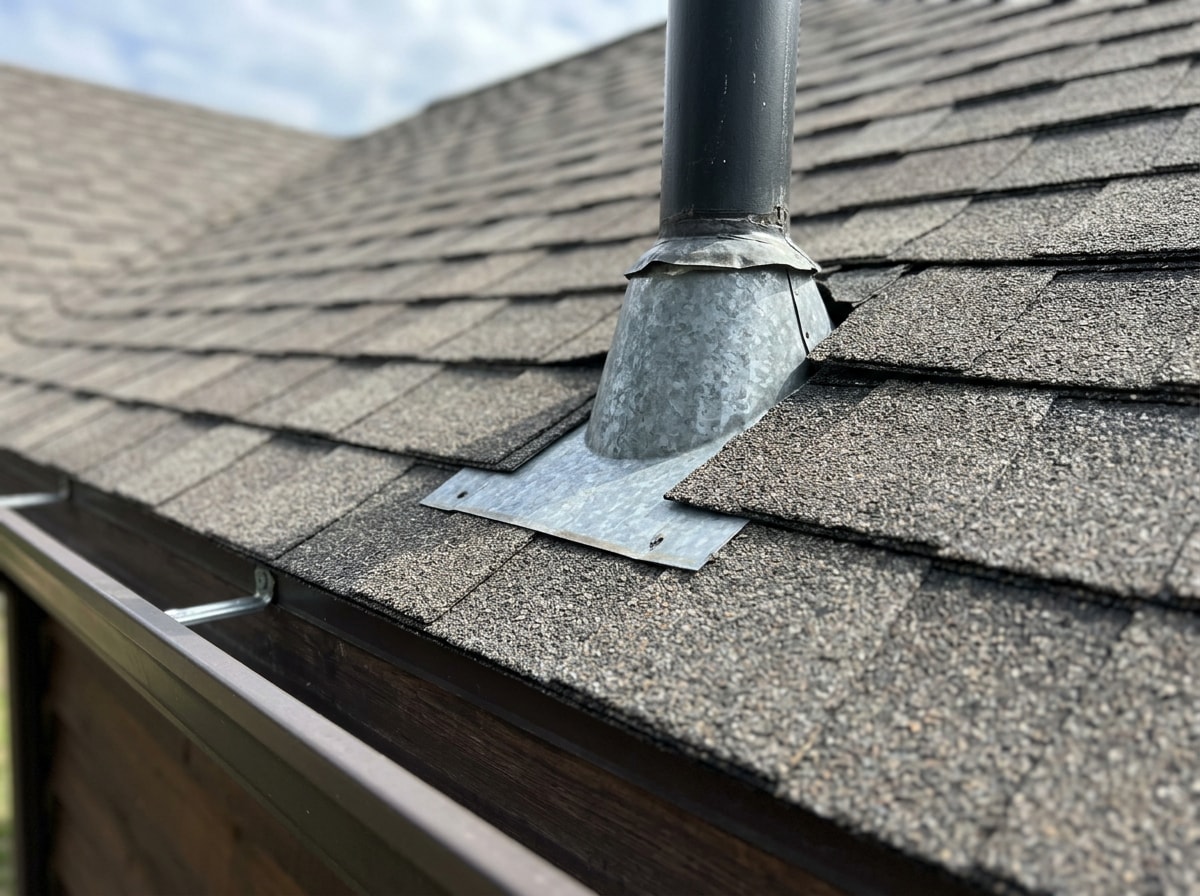
Miss any one of these layers during installation and the whole system is weaker for it, even if the visible shingles or panels look perfect from the ground.
Common Roofing Materials
Material choice drives cost, lifespan, and how well a roof performs in your specific climate.
| Material | Typical Lifespan | Cost Tier | Best-Fit Climate |
|---|---|---|---|
| Asphalt shingles | 20–30 years | Budget-friendly | Most climates |
| Metal roofing | 40–50+ years | Mid to high | Snow, wildfire-prone areas |
| Tile (clay/concrete) | 50+ years | High | Hot, dry climates |
| Flat roof membrane | 15–25 years | Mid | Commercial, low-slope roofs |
Lighter, more reflective materials can also cut cooling costs. ENERGY STAR's guidance on cool roofs notes that reflective roofing works best in hot, sunny climates on buildings with limited attic insulation, though the payoff is smaller in cooler regions.
Not sure which material fits your budget and roofline? Our breakdown of cost-effective roofing materials compares pricing per square foot across the most popular options.
How Roofing Installation Works
Installation follows roughly the same sequence no matter which material you choose. Because the work happens at height, OSHA's fall protection standards require guardrails, harnesses, or equivalent protection any time a construction worker is exposed to a fall of six feet or more.
- Inspection and tear-off. Crews remove the old roofing material and inspect the exposed decking for soft spots, rot, or sagging.
- Decking repair. Any damaged sheathing gets replaced before new material goes down, since nothing above it will hold up on a weak base.
- Underlayment and flashing. A water-resistant underlayment goes down first, followed by flashing around chimneys, vents, valleys, and skylights.
- Material installation. Shingles, metal panels, tile, or membrane are installed course by course, following the manufacturer's nailing or fastening pattern.
- Ridge, edge, and vent work. Ridge caps, drip edges, and any vents or skylights are sealed and finished.
- Final walkthrough. The completed roof gets inspected for proper alignment, sealed penetrations, and clean gutter lines before the crew leaves.
If you're planning new construction or a full tear-off, our roof installation team walks through material options and timelines before work starts.
Repair, Replacement, or Inspection: Which Do You Need?
Not every roofing issue calls for a full replacement, and figuring out which service you actually need is where a lot of homeowners get stuck.
- Roof repair fits isolated problems: a handful of cracked shingles, a leak around one vent, or storm damage to a small section. See roof repair for typical scope.
- Roof replacement makes sense when the roof is near the end of its expected lifespan, has widespread granule loss, or has been patched multiple times already. Our roof replacement page covers what a full replacement involves.
- Roof inspection is the right first step whenever you're unsure, buying a home, or dealing with insurance after a storm. A roof inspection identifies the actual problem before any money gets spent.
- Emergency roof repair applies to active leaks, storm damage, or fallen tree limbs that need same-day attention. Our emergency roof repair team handles urgent situations outside normal scheduling.
Financing is also worth asking about before you commit to a full replacement. Our guide on how roofing companies finance new roofs covers what's typically available and how the approval process works.
Roofing Maintenance Tips
Maintenance is what separates a roof that hits its full expected lifespan from one that needs early replacement.
- Inspect twice a year, plus after storms. Catching a lifted shingle or damaged flashing early is far cheaper than repairing water damage later.
- Clean gutters regularly. Clogged gutters back water up under the roof edge, which is one of the most common causes of hidden rot.
- Trim overhanging branches. This limits falling-limb damage and reduces the shade and moisture that feed moss and algae growth.
- Check attic ventilation. Poor airflow traps heat and moisture, which shortens shingle life from the underside where you can't see it.
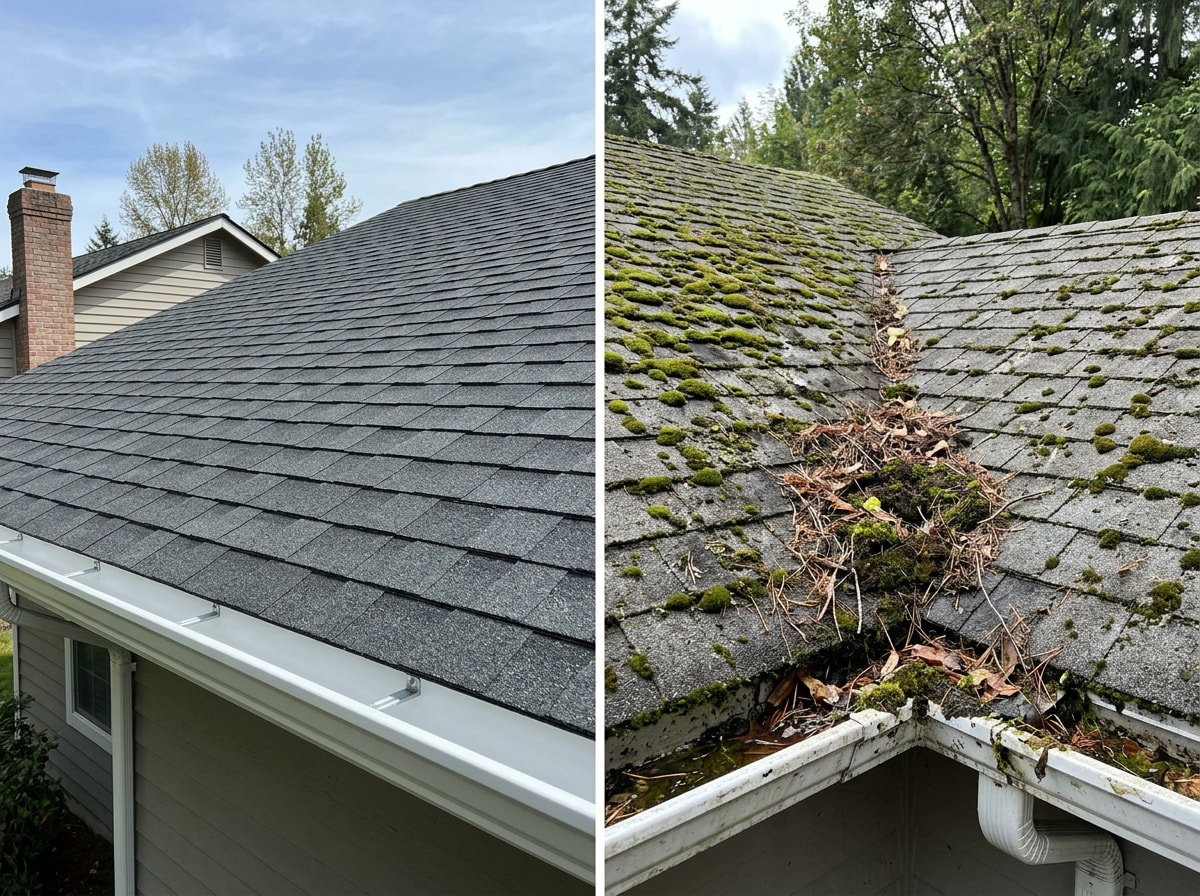
In our experience inspecting roofs across Southwest Washington, the roofs that fail early almost never fail because of bad shingles. They fail because flashing around a chimney or vent was never checked, and water worked its way in for months before anyone noticed. Our full roofing contractor services cover everything from routine inspections to full system replacements for homeowners throughout the Southwest Washington Metro area.
FAQ
What does roofing include?
Roofing includes the physical materials that cover a building (shingles, metal, tile, or membrane), the structural layers underneath them (decking, underlayment, flashing), and the labor involved in installing, repairing, and maintaining that system over time.
What's the difference between a roof and roofing?
A roof is the physical structure on top of a building. Roofing is the broader term that covers the materials, the layered system beneath them, and the ongoing installation and maintenance work.
What are the main types of roofing materials?
The most common options are asphalt shingles, metal roofing, clay or concrete tile, and flat roof membranes. Asphalt is the most budget-friendly, while metal and tile cost more upfront but last significantly longer.
How long does roofing last?
It depends on the material. Asphalt shingles typically last 20 to 30 years, while metal roofing can last 40 to 50 years or more with proper installation and maintenance.
How much does roofing cost?
Cost depends on material, roof size, pitch, and complexity. Asphalt shingles are the cheapest per square foot, while tile and standing-seam metal sit at the higher end.
Is roofing dangerous?
Yes. Roofing consistently ranks among the most dangerous U.S. occupations because of the fall risk involved in working at height, which is why licensed crews follow OSHA fall protection requirements on every job.
What is a roofing square?
A roofing square equals 100 square feet of roof area. Contractors use it to measure material needs and price installation or replacement jobs.
Ready to move from research to a real plan for your roof? Get a free estimate and our team will walk your property, answer your questions, and put together a straightforward scope before any work begins.