What are the most cost-effective roofing materials in 2026? Architectural asphalt shingles win on upfront affordability, but metal, tile, and even slate can beat them on true annualized cost once you run the lifespan math. Here's how to compare installation price against lifetime value so you don't overpay for a roof that fails too soon, or underpay for one that costs you twice.
What Makes a Roofing Material Cost-Effective?
A cost-effective roofing material delivers the best value across its full lifespan, not just the lowest price on installation day. Real cost-effectiveness blends installation cost, expected lifespan, maintenance needs, energy performance, and resale impact into one number: cost per year of service.
A pricier material can still be the smarter buy. If it lasts twice as long and needs fewer repair calls, its annualized cost can beat a cheaper option that needs replacing sooner.
Installation quality matters just as much as material choice. Professional installation protects manufacturer warranties and cuts the leak risk that shortens a roof's functional life, which is one reason the National Roofing Contractors Association recommends getting several detailed, itemized proposals before you compare pricing.
Asphalt Shingles: The Baseline Cost-Effective Option
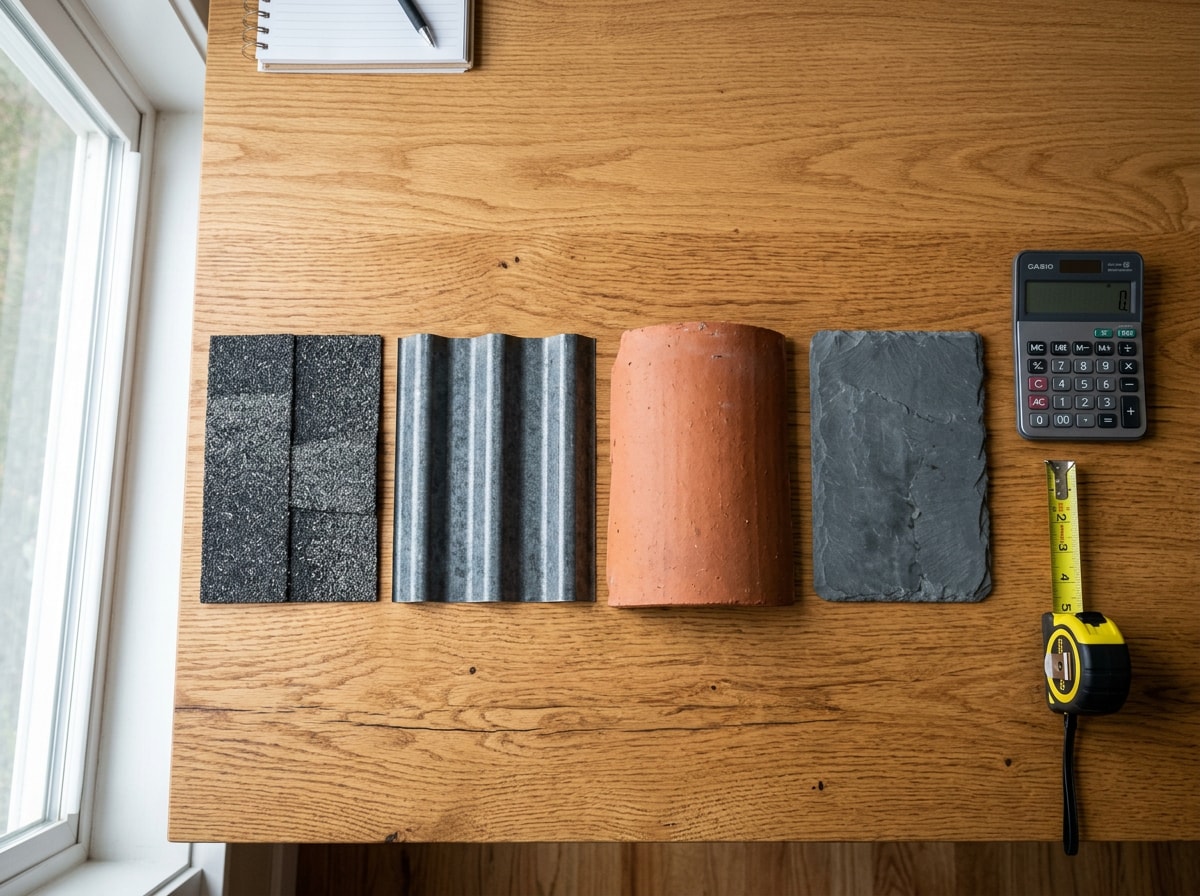
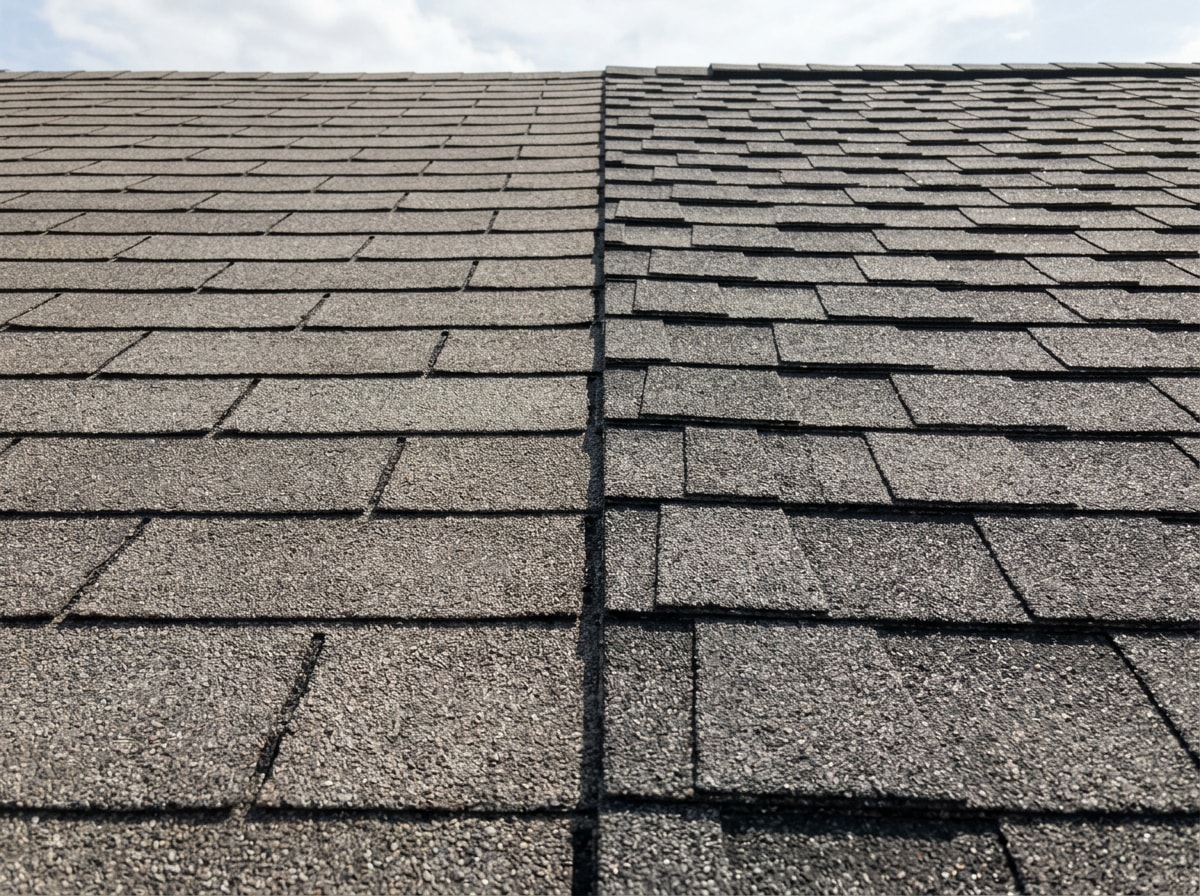
For most homeowners, asphalt shingles are still the starting point for a cost-effective roof. They combine low installation cost with decent lifespan and near-universal contractor availability. The category splits into two practical tiers.
3-Tab Asphalt Shingles
3-tab shingles are the cheapest roofing material on the market, typically running $3 to $5 per square foot installed. They offer a flat, uniform look and a lifespan of roughly 15 to 20 years, which is respectable for the price but shorter than nearly every alternative below.
Availability is the catch. Manufacturers have been shifting production toward architectural styles for years, so some suppliers no longer stock 3-tab shingles regularly. That can mean longer lead times or a thinner color selection.
3-tab still makes sense for a rental property, a short-term hold, or a tight remodel budget. If you plan to stay a decade or more, the math usually favors the step-up option below.
Architectural Asphalt Shingles
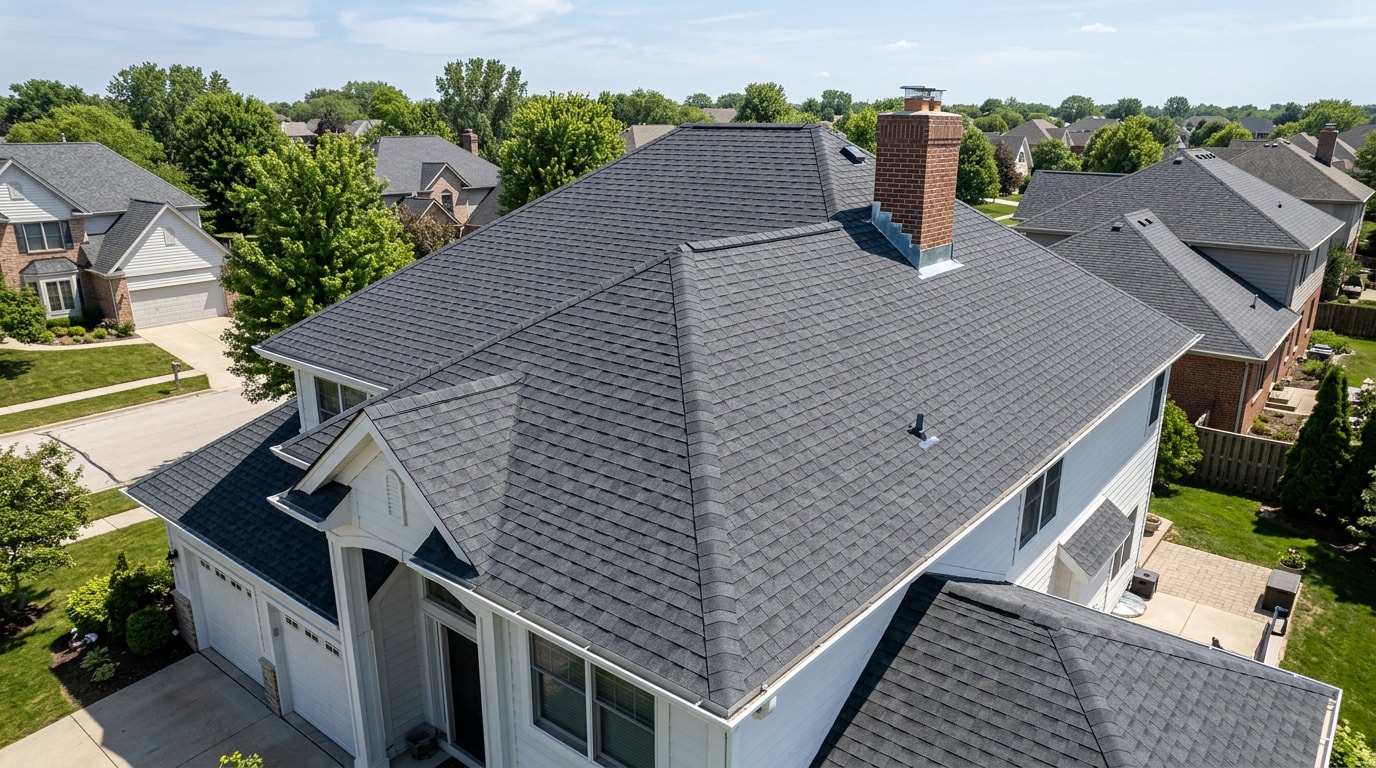
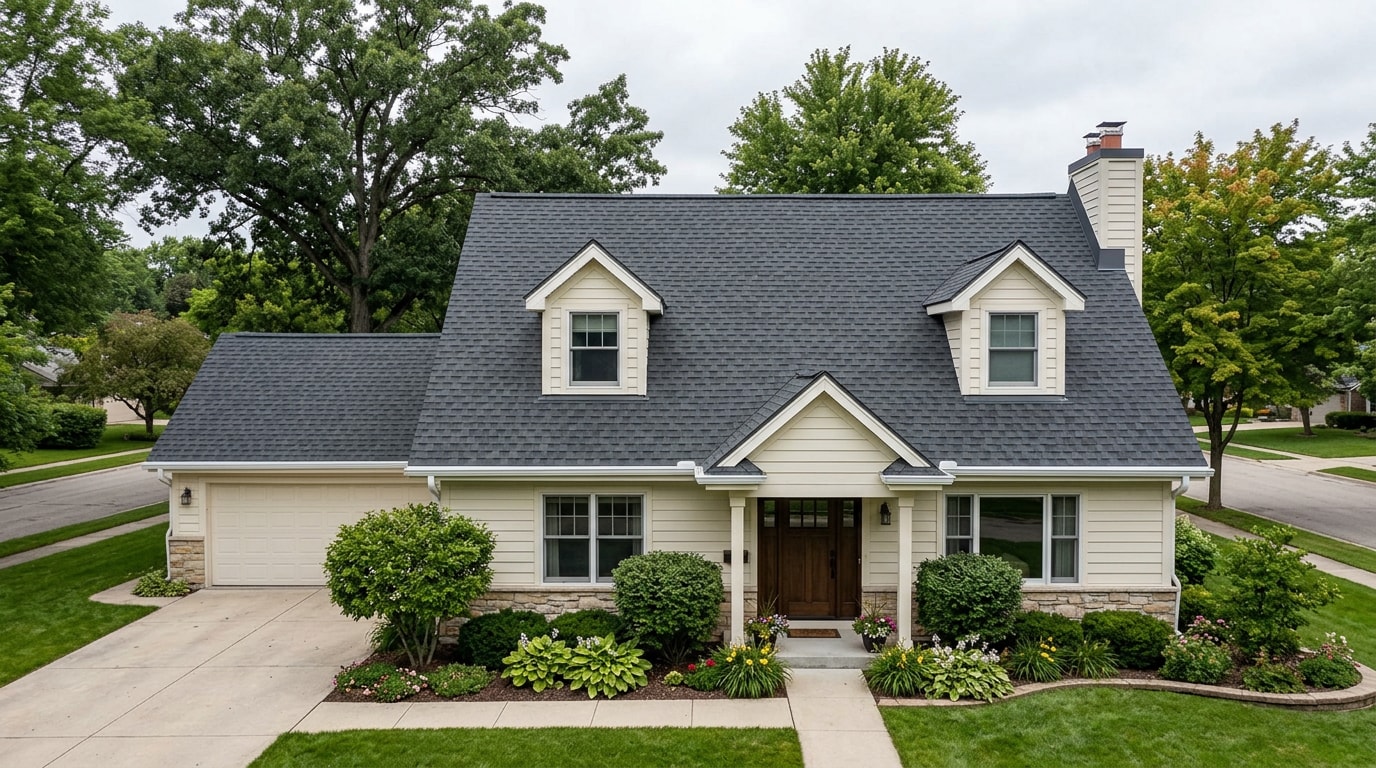
Architectural asphalt shingles are the most cost-effective roofing material for most 2026 homeowners, priced at $5 to $8 per square foot with a 25 to 30 year lifespan. Their thicker, layered construction and stronger warranties outperform 3-tab without the premium cost of metal or tile.
Luxury or dimensional shingles sit a step above standard architectural styles. They mimic slate or wood shake at a higher price point, a reasonable upgrade if you want more curb appeal without switching materials entirely.
Here's where the annualized numbers get interesting. At roughly $4 per square foot over 17 years, 3-tab shingles run about $0.24 per square foot per year. Architectural shingles at $6.50 per square foot over 27 years land at almost the identical $0.24 per year, but for that price you get better wind resistance, a longer warranty, and fewer repair calls.
Wind and impact performance for both types are governed by ASTM test standards. Under ARMA's shingle product standards, a shingle rated ASTM D3161 Class F or ASTM D7158 Class H holds up to the highest tested wind speeds, which is worth asking about before you compare contractor bids. If you're ready to see how a step-up shingle performs on your own roof, Black Bear Home Exteriors' roof installation team can walk you through product-specific warranty terms.
Metal Roofing
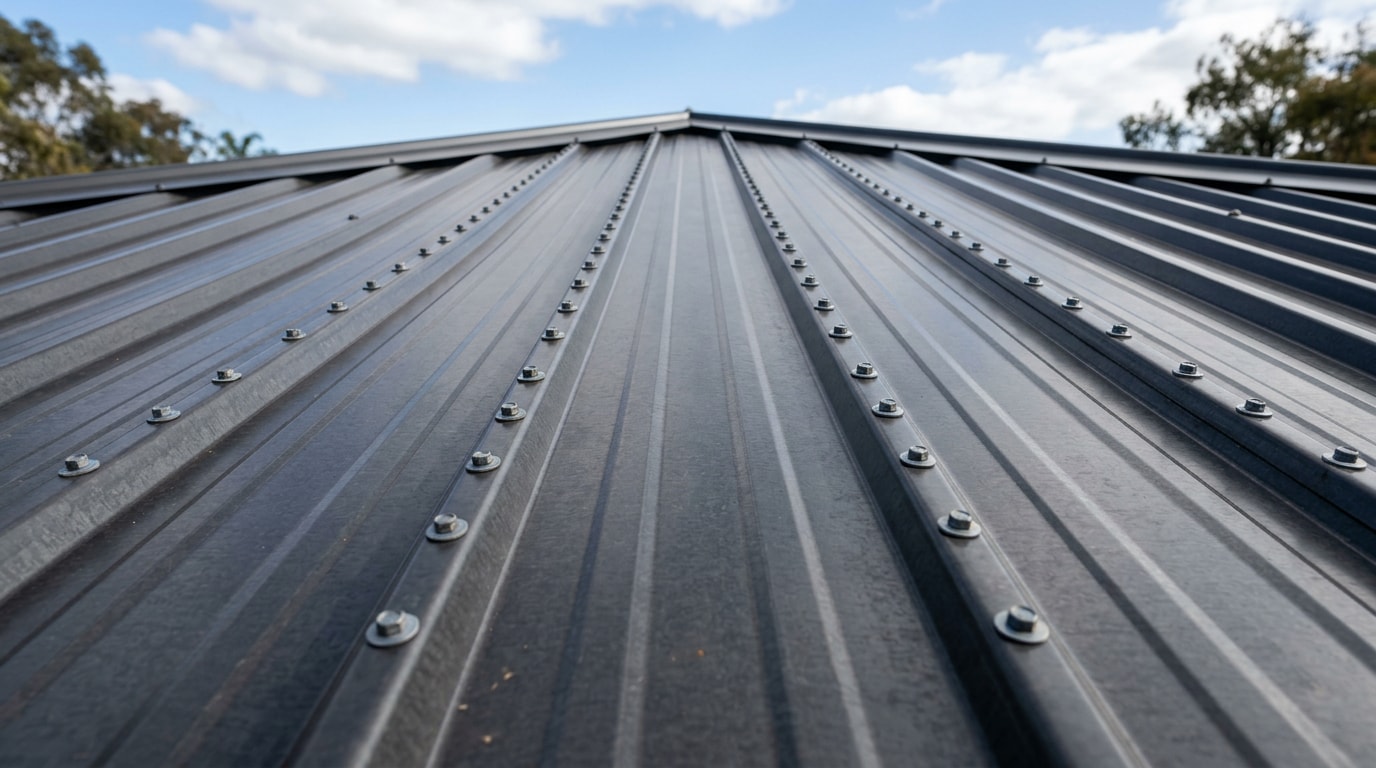
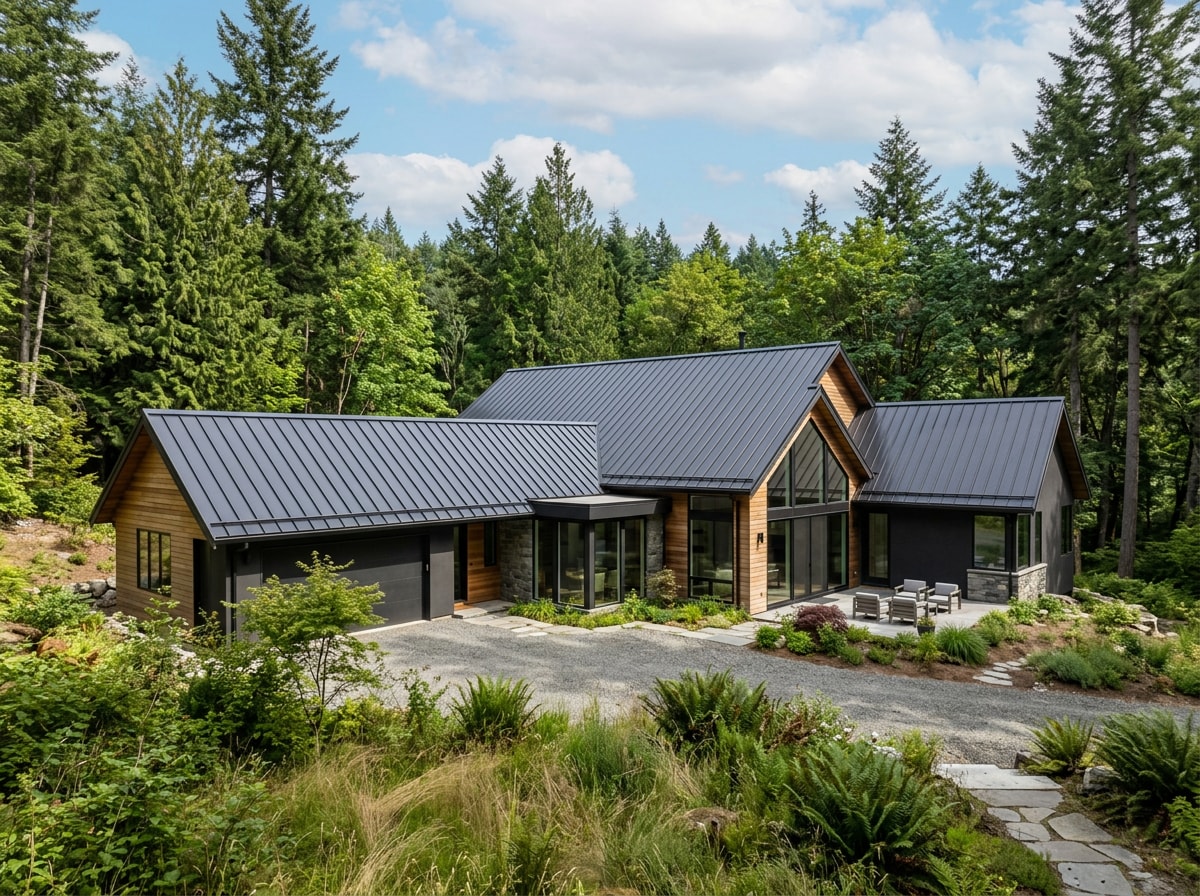
Metal roofing costs more upfront, typically $9 to $14 per square foot installed, but it plays a different long-term game. Standing seam and similar systems commonly last 40 to 70-plus years, often outliving the homeowners who install them.
Corrugated metal panels offer a budget-friendly entry point into the category, trading some aesthetic refinement for a lower price per square foot than standing seam.
If you're planning to stay in the home for more than 15 years, metal roofing often works out to be the most cost-effective option long-term. The higher installation cost gets spread across decades instead of two separate roof replacements.
Metal also reflects more solar heat than asphalt, which can lower cooling costs in warm climates. The Department of Energy's cool roofs guidance notes that a reflective roof can stay more than 50°F cooler than a dark asphalt roof under the same summer sun.
In our own installs across Southwest Washington, standing seam pays off differently than it does in the hail belt: the bigger win here is shedding heavy winter rain fast and resisting wind uplift during Columbia River Gorge storms, not summer heat. If you're comparing panel types before a project, our guide on how to install metal roofing breaks down the step-by-step process. For local pricing, browse Black Bear Home Exteriors' roof replacement options.
Clay and Concrete Tiles
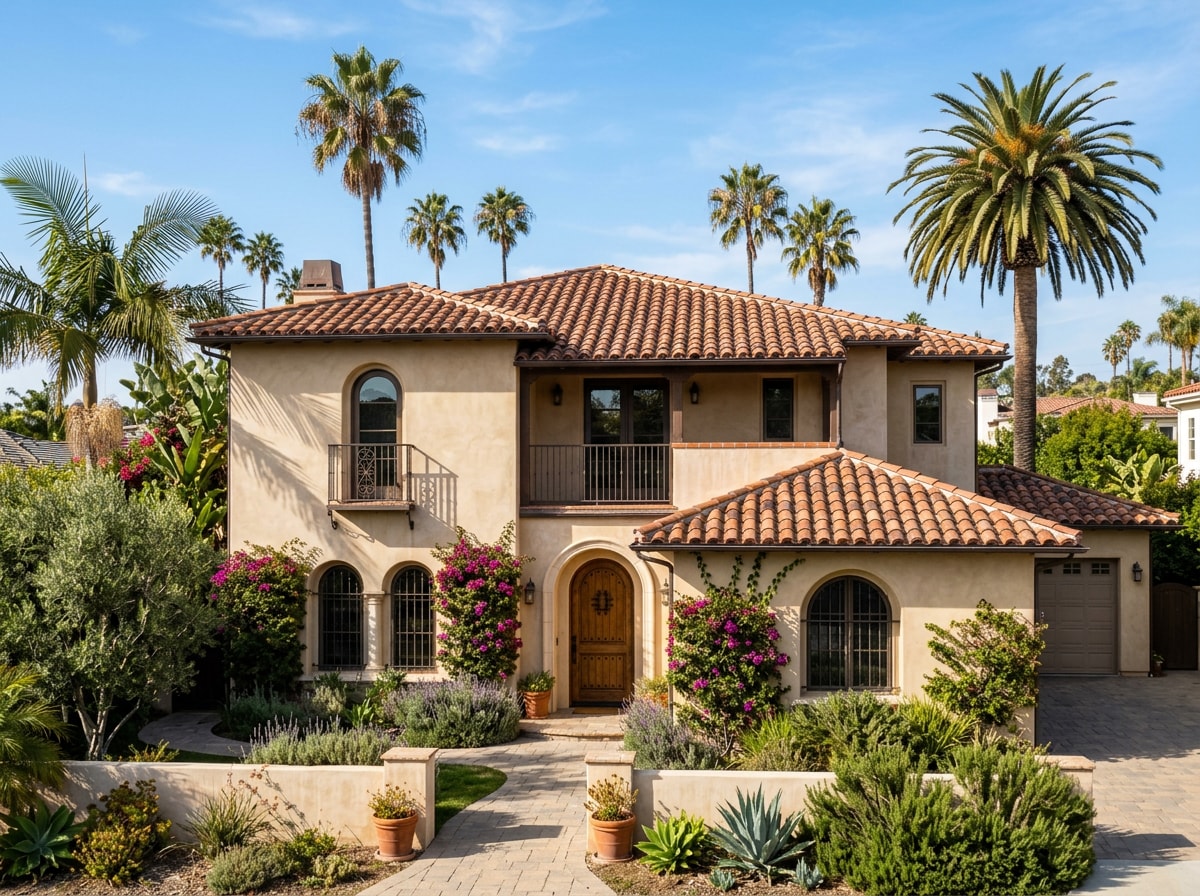
Clay and concrete tiles run $10 to $18 per square foot installed and can last 50 years or more with minimal upkeep. They excel in hot, sunny climates, where their thermal mass helps keep homes cooler and eases the load on air conditioning.
Concrete tile offers the look of clay at a lower price. Both are durable and fire-resistant, and both handle severe weather well, which is why they're popular in wildfire-prone and storm-heavy regions alike.
One caveat matters before you commit: tile is heavy. Some homes need structural reinforcement to carry the added roof weight, and that cost should be part of any estimate, not an afterthought. A roof inspection can confirm whether your existing framing can handle it as-is.
Natural Slate
Slate sits at the far premium end of the roofing spectrum, and it's worth understanding even if it isn't the right fit for most budgets. Natural slate typically costs $15 to $30 per square foot installed, several times more than asphalt.
What you get for that price is remarkable longevity. Many slate roofs stay in good condition for 75 to more than 100 years, making them close to a one-time investment for homeowners who never expect to replace their roof again.
Slate is a niche recommendation, not a primary one, for most homeowners comparing cost-effective roofing materials. Still, it's a useful reference point for how much lifespan can offset a high sticker price once you're thinking in decades instead of years.
Cost-Effective Roofing for Pacific Northwest Homes
Most national roofing guides are written for hail belts and desert heat. Southwest Washington's roofing math looks different because the dominant threat is moisture, not hail.
In wet climates like Longview, Vancouver, and Kennewick, algae and moss growth shortens the practical lifespan of budget shingles faster than sun exposure does. Algae-resistant granules and proper attic ventilation matter more here than in dry states, and they're worth paying extra for even on a standard architectural shingle.
Wind is the other variable. Homes near the Columbia River Gorge see gusts that put real stress on fasteners and flashing, so a higher wind-rated shingle or a properly seamed metal roof earns its keep faster in this region than the national averages suggest. If you're not sure which material fits your specific property, our teams serving Longview, Vancouver, Kennewick, and the broader Southwest Washington Metro area can walk your roof and give you material-specific numbers instead of national averages.
Cost-Effective vs. Cheap: Why the Distinction Matters
Affordability is almost always a homeowner's biggest concern, so it makes sense to start with the most cost-effective material rather than defaulting to whatever costs the least upfront. Premium materials often cost 2 to 3 times more than basic asphalt shingles, but they can deliver 2 to 4 times longer lifespans. That's the math that turns "expensive" into "cost-effective" once you spread the cost over decades.
Here's how the annualized numbers shake out using current price ranges and typical lifespans.
| Material | Installed Cost/sq ft | Typical Lifespan | Annualized Cost/sq ft |
|---|---|---|---|
| 3-Tab Asphalt | $3-$5 | 15-20 yrs | ~$0.24 |
| Architectural Asphalt | $5-$8 | 25-30 yrs | ~$0.24 |
| Metal (standing seam) | $9-$14 | 40-70 yrs | ~$0.21 |
| Concrete/Clay Tile | $10-$18 | 50+ yrs | ~$0.28 |
| Natural Slate | $15-$30 | 75-100+ yrs | ~$0.26 |
These are broad national averages. Actual pricing varies by region, roof complexity, and material availability, so treat this table as a starting point, not a firm quote.
The takeaway: metal roofing often posts the lowest true annualized cost despite the highest sticker price, which sums up the whole cost-effective-versus-cheap argument in one line. For a number specific to your roof, not a national average, get a free estimate from Black Bear Home Exteriors.
Our estimators walk every roof in person before quoting, checking pitch, decking condition, and ventilation, because those three factors move the real lifespan of any material more than the brand name on the shingle wrapper does. You can see the full range of options on our roofing contractor services page or start from our homepage to explore siding, windows, and decks alongside your roof project.
FAQ
How Can I Make Sure I'm Not Sacrificing Quality for Price?
Focus on lifespan, installation quality, and climate compatibility rather than price alone. A slightly higher upfront cost often prevents early replacement and expensive repairs down the road.
Ask contractors for manufacturer warranty terms and confirm they're certified to install the specific product you're choosing. Poor installation can shorten even a premium material's lifespan, undermining the reason you paid more in the first place.
What's the Most Cost-Effective Roof If I Plan to Sell Soon?
Go with architectural asphalt shingles. They're relatively low-cost, improve curb appeal, and appeal to future buyers without requiring a premium investment you won't recoup.
Buyers rarely pay extra for a slate or metal roof unless it's already installed. A longer-lasting material mainly pays off if you're staying in the home long-term.
Are There Hidden Costs in Cheap Roofing Options?
Yes. Frequent maintenance, poor insulation that raises energy bills, and a shorter lifespan can make cheap materials more expensive over time than a mid-range option. Weigh total lifetime cost, not just the number on the bid.
A cheap roof that needs replacing in 12 years instead of 25 effectively hands you a second full installation sooner than you budgeted for.
Can a Cheaper Roof Affect My Home Insurance?
Yes. Insurers factor roofing material class, age, and wind or impact resistance into premium calculations. A cheaper, lower-rated material can mean higher premiums or stricter coverage terms, depending on your insurer and region.
The Insurance Institute for Business & Home Safety rates roof coverings on wind and hail performance, and those ratings directly influence how carriers price a policy.
What's the Cheapest Roofing Material by Upfront Price Alone?
3-tab asphalt shingles are the cheapest option by sticker price, typically $3 to $5 per square foot installed. Cheapest and most cost-effective aren't the same thing though: 3-tab's shorter 15 to 20 year lifespan often erases the upfront savings by year 15.
Does Climate Change Which Roofing Material Is Most Cost-Effective?
Yes. Hot, sunny climates favor tile and metal for their heat-reflective and thermal-mass properties. Wet, windy climates like the Pacific Northwest favor algae-resistant shingles, strong ventilation, and higher wind-rated products, since moisture and gusts do more damage here than sun exposure.