Where to buy standing seam metal roofing comes down to four real options: a manufacturer direct program, a regional distributor, a local supply yard, or a licensed contractor who sources the panels for you. Each channel trades price against lead time, minimum order size, and who answers the phone if a seam fails in year three. This guide breaks down those trade-offs so you don't find out the hard way which channel you should have picked.
Where to Buy Standing Seam Metal Roofing: Comparing Your Sourcing Options
Most homeowners assume the cheapest source wins. In practice, minimum order quantities, color lead times, and warranty structure matter just as much as the per-panel price.
| Channel | Typical Lead Time | Minimum Order | Color/Gauge Selection | Best For |
|---|---|---|---|---|
| Manufacturer direct | 2 to 6 weeks | Often required (varies by maker) | Widest | Large or custom projects |
| Regional distributor | 1 to 3 weeks | Low to none | Moderate to wide | Most residential buyers |
| Local building-supply yard | Days to 1 week | None | Limited | Small jobs, repairs |
| Contractor-sourced | Set by installer's timeline | None for the homeowner | Matched to installer's suppliers | Full installs and replacements |
A few notes worth knowing before you call anyone:
- Manufacturer direct usually means the best price per square and the most color and gauge options, but it also means a longer wait and, on many sites, a minimum order that rules out small jobs.
- Regional distributors carry stock from several mills, so turnaround is faster and minimums are lower, which is why most residential buyers end up here.
- Local supply yards are fastest for in-stock panel widths but offer the narrowest color and gauge range.
- Big-box retailers rarely stock true standing seam; what you'll find there is usually exposed-fastener panel, not concealed-fastener standing seam.
Here's something worth flagging: several of the manufacturer sites that show up at the top of a "where to buy standing seam metal roofing" search are selling panels only. Western States Metal Roofing, one of the larger manufacturer-direct sellers, states plainly on its own site, "We are a manufacturer of metal roofing and siding panels. We do NOT install metal panels." That matters because it means the panel warranty and the installation warranty come from two different companies, and you're the one who has to coordinate between them if something goes wrong.
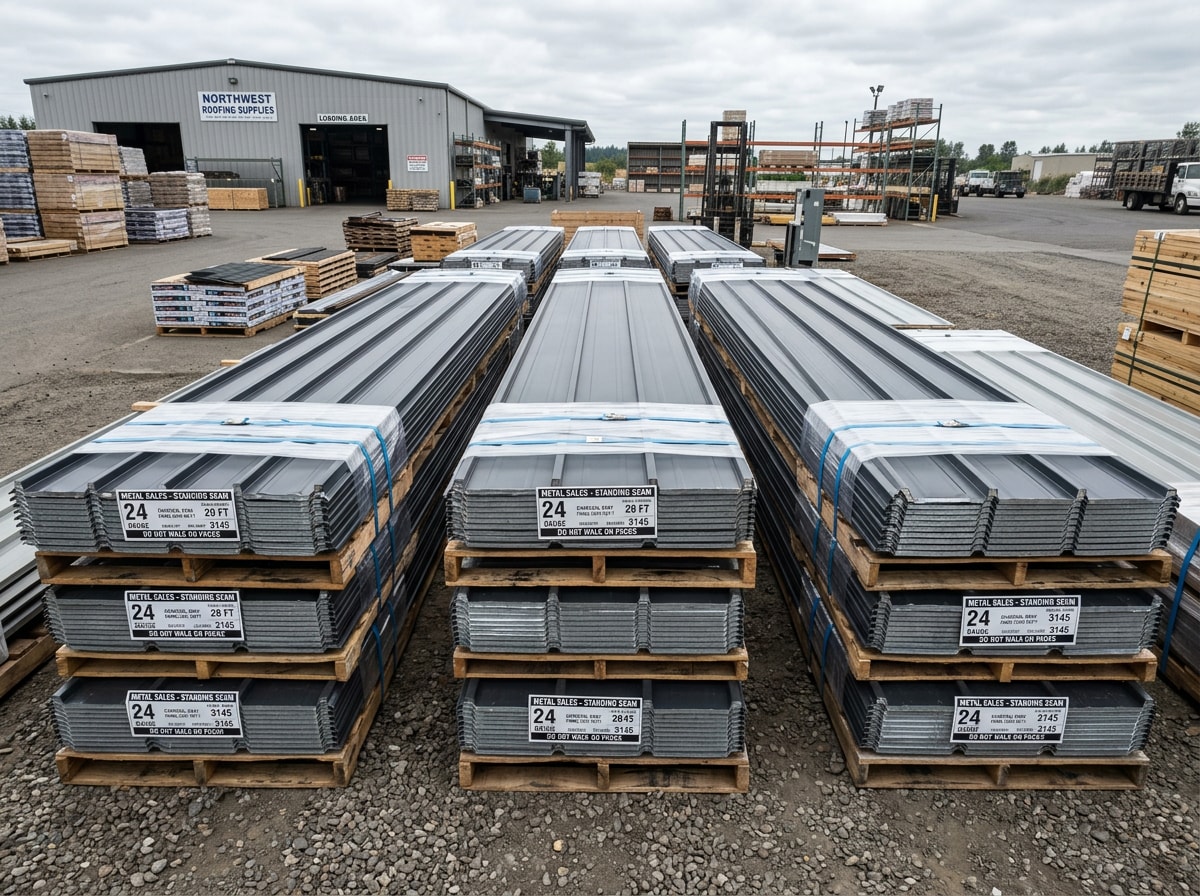
If sourcing and installing separately sounds like more coordination than you want to take on, a licensed roofing contractor can order panels on your behalf as part of a full roof installation, which keeps the material warranty and the workmanship warranty under one roof, literally.
Standing Seam Panel Types You'll Choose Between
Panel type affects price, installer availability, and which of the channels above actually has stock, so it's worth settling on a type before you start requesting quotes.
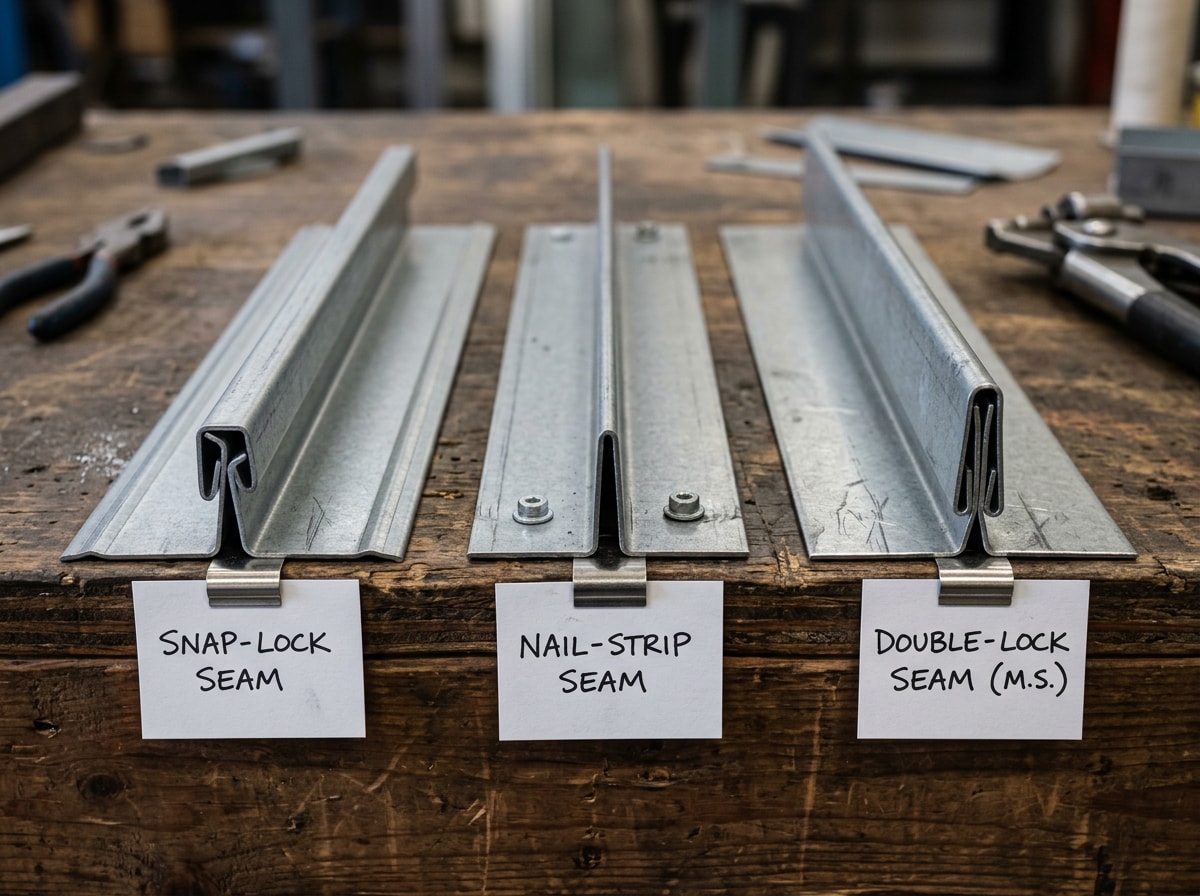
Snap-Lock Standing Seam
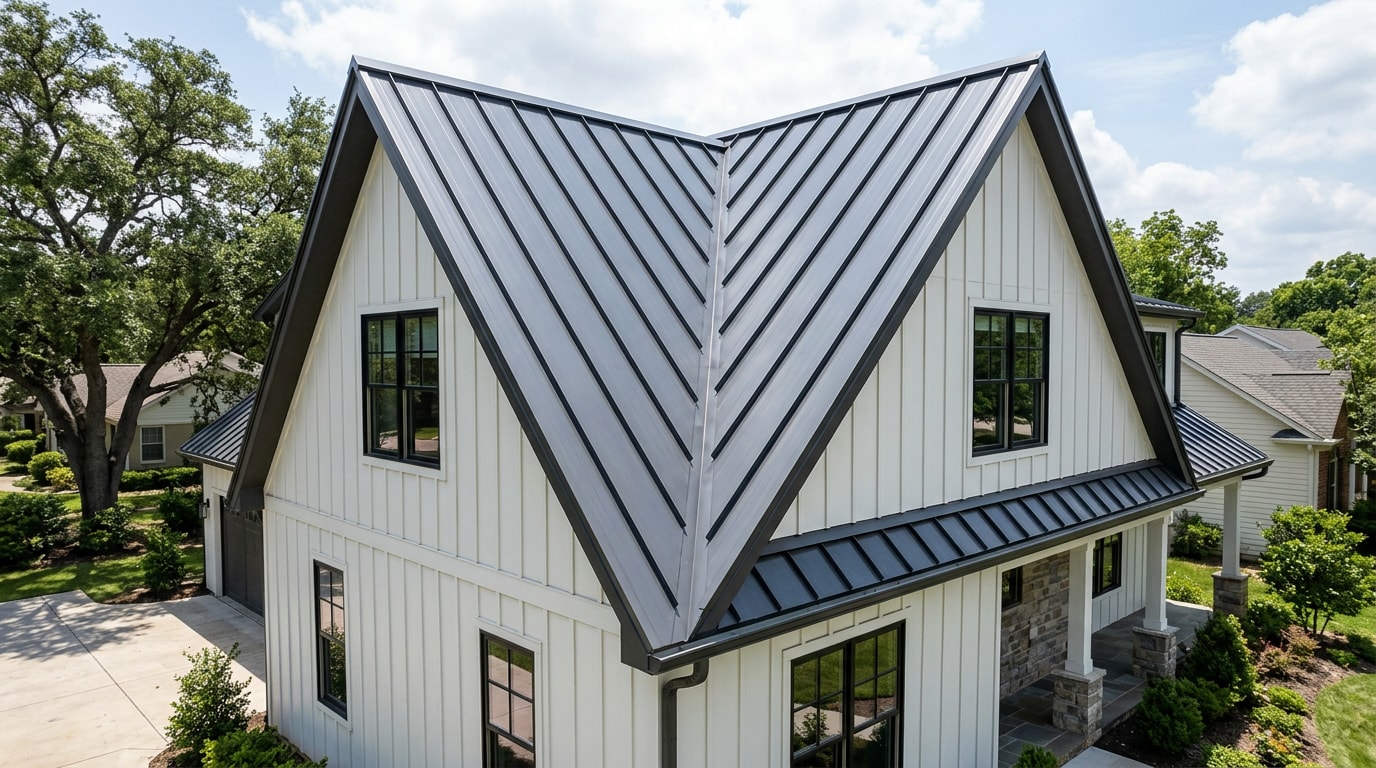
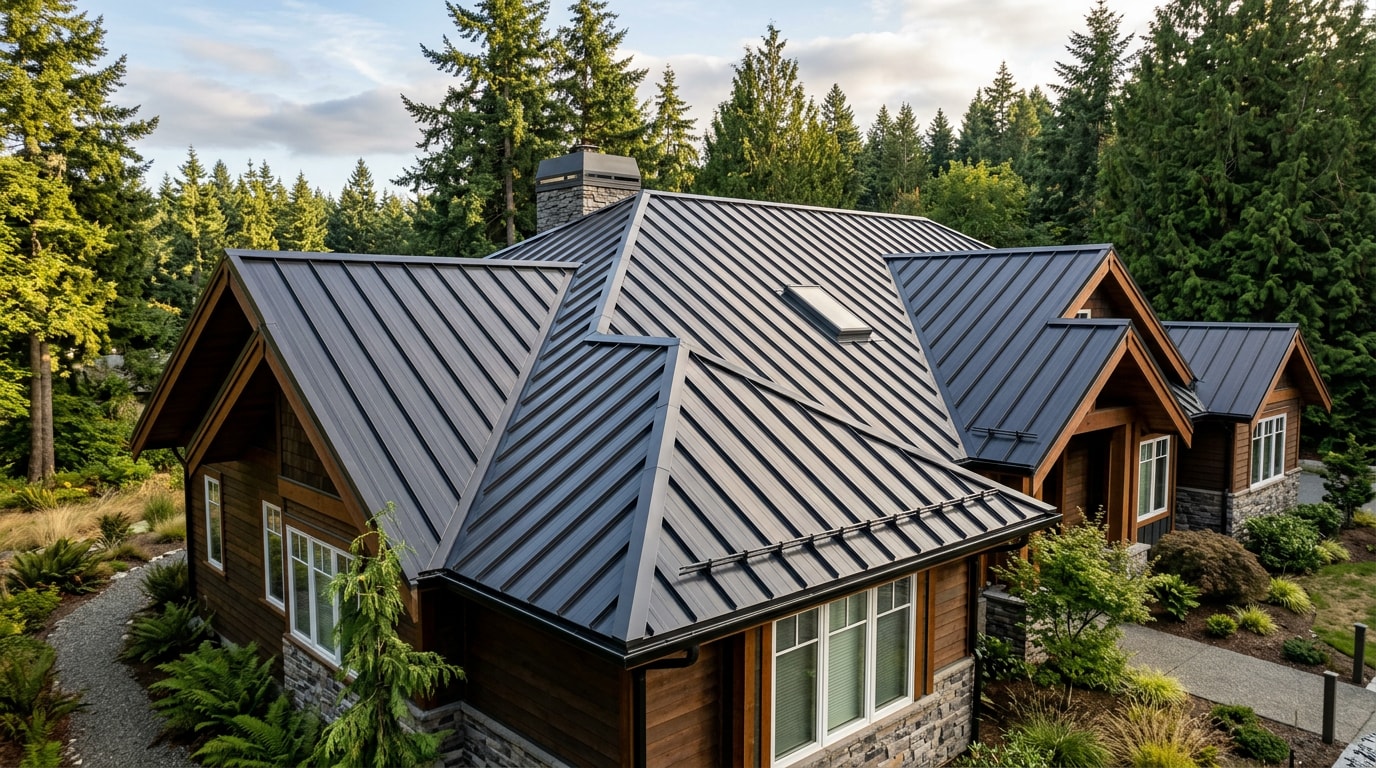
Snap-lock panels interlock along a raised seam using concealed clips rather than exposed screws, typically with a seam height around 1.5 to 1.75 inches. The panels snap together without hand-crimping tools, which keeps labor time down and is why this profile is the one most commonly stocked by both manufacturers and regional distributors.
Nail Strip Standing Seam
Nail strip panels attach with a flange hidden beneath the overlapping seam instead of a floating clip, with seam heights generally running 1 to 1.5 inches. This design costs less to manufacture, which can shave a little off material cost, but the fixed flange allows less thermal movement than a true clip system.
Mechanically Seamed Standing Seam
Mechanically seamed panels are the most weathertight profile on the market and the standard choice for low-slope roofs, since the seam is crimped shut with a mechanical seamer after the panels are set. It's also the hardest profile to install correctly and is rarely a reasonable DIY project, which is a point echoed across nearly every manufacturer spec sheet for this panel type.
How to Vet a Standing Seam Supplier Before You Buy
Vetting a supplier before you order reduces risk long before a warranty claim ever comes up. Ask for documentation, not just a sales sheet.
- ISO 9001 or equivalent quality-management certification, which signals a documented quality-control process rather than inconsistent panel tolerances.
- Wind-uplift test results, commonly run to the ASTM E1592 standard, which covers structural performance of sheet metal roof systems under static air pressure.
- Impact-resistance documentation, such as results tested to UL 2218, where local code or your insurer requires it.
- Warranty terms kept separate from the installer's labor warranty, so you know exactly what's covered if a panel fails versus if a seam was installed wrong.
A supplier who can't produce these on request is a signal worth taking seriously, no matter how good the price looks.
Choosing Gauge, Finish, and Metal Type for Your Project
Most residential standing seam roofs use 24-gauge steel, which balances dent resistance and cost better than thinner 26-gauge panels. Heavier 22-gauge steel is generally reserved for commercial or high-wind applications where the extra cost is justified.
Finish matters almost as much as gauge. A PVDF coating (often sold under names like Kynar 500) resists fading and chalking far longer than cheaper polyester (SMP) coatings, which is worth the modest upcharge on a roof meant to last decades. Reflective finishes can also qualify as cool-roof products; ENERGY STAR notes that cool roof materials with high solar reflectance can lower the amount of heat transferred into a building, which matters for homes with west- or south-facing roof planes.
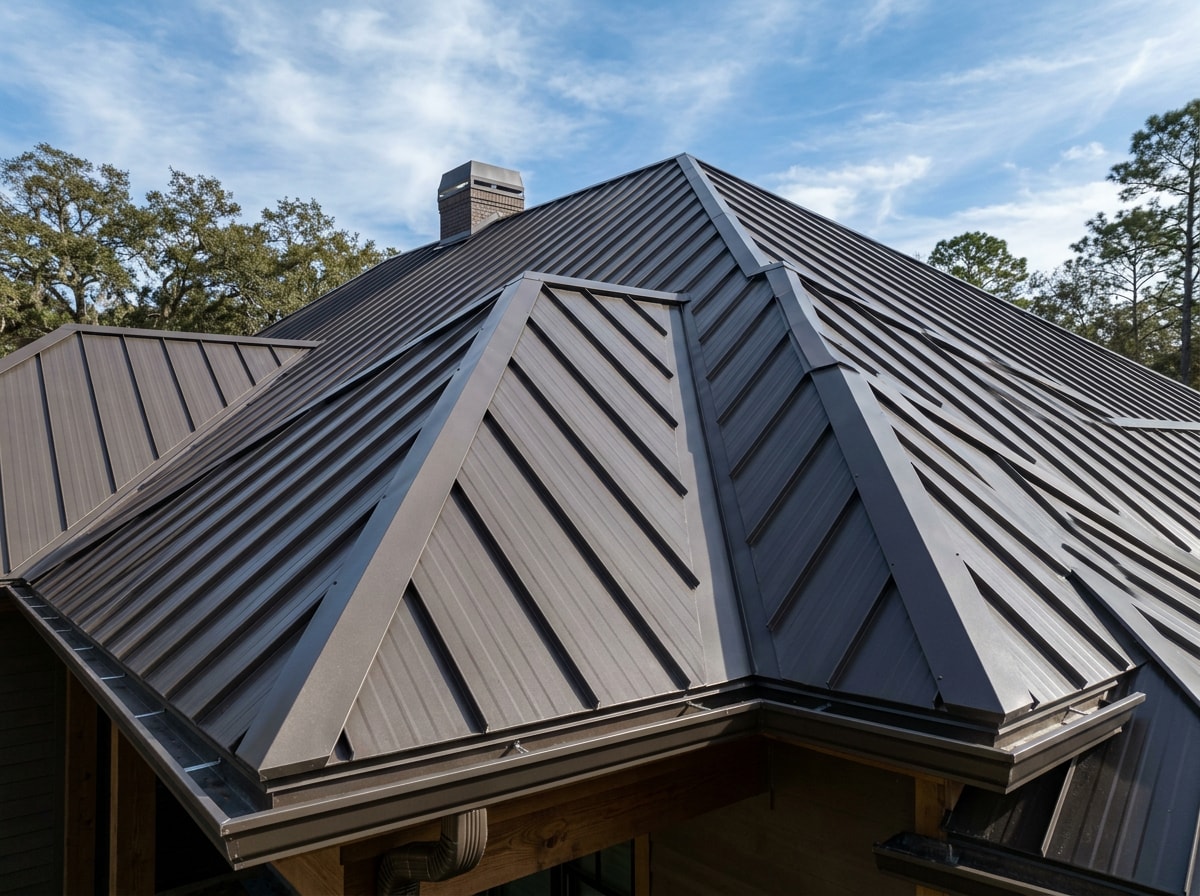
Roof pitch and local climate should steer your choice between the profiles covered earlier. Low-slope roofs generally need the tighter seal of a mechanically seamed or clip-based system, while steeper pitches give you more flexibility to use snap-lock or nail-strip panels. Material cost is also part of the decision; our guide on cost-effective roofing materials breaks down where standing seam lands against other long-term options.
Buying Panels vs. Hiring a Licensed Installer
You can buy standing seam panels direct and hire your own crew, and plenty of homeowners do. The trade-off is that you become the point of contact between two separate warranties: the panel maker's material warranty and your installer's workmanship warranty. If a leak shows up, you're the one proving which party is responsible.
Working with a contractor who sources the panels removes that gap. At Black Bear Home Exteriors, our crews source and install standing seam systems for homeowners across Longview, Vancouver, Kennewick, and the broader Southwest Washington Metro area, and sourcing questions come up on nearly every metal roofing estimate we write. One material warranty, one workmanship warranty, one company to call either way.
If you're weighing a full roof replacement against a repair, our breakdown of 2026 roof replacement costs is a good next read before you commit to a material.
Ready to compare options for your specific roof? Get a free estimate and we'll handle panel sourcing, gauge selection, and installation as one project instead of three separate vendors. You can also browse our full service lineup from the homepage.
FAQ
Where can I buy standing seam metal roofing?
You can buy it directly from a manufacturer, through a regional distributor, at a local building-supply yard, or through a licensed contractor who sources panels as part of installation. Manufacturer-direct offers the most customization; distributors and contractors typically offer faster turnaround for standard panel types.
Is standing seam metal roofing a good DIY project?
Snap-lock is the most DIY-friendly profile, but it still requires specialty tools and careful flashing work. Mechanically seamed panels are rarely recommended for DIY installation because the seaming equipment and technique are difficult to get right on a first attempt. A botched DIY install can also void the manufacturer's material warranty.
Can you buy standing seam panels and hire your own installer?
Yes. Panels and installation labor can be purchased separately, and many suppliers sell direct to homeowners. Doing so can save money up front, but it splits your warranty between the material maker and the installer, so confirm exactly what each one covers before you order.
What gauge is standing seam metal roofing?
Most residential standing seam roofing uses 24-gauge steel. Thinner gauges aren't typically offered for this profile because they dent more easily and don't hold seam crimps as reliably over time.
How much does standing seam metal roofing cost installed?
Cost varies by metal type, gauge, and roof complexity, with steel running lower than aluminum, zinc, or copper. For a full breakdown by material and roof size, see our guide on what it costs to replace a roof in 2026.
What is the difference between standing seam and corrugated metal roofing?
Standing seam uses a concealed fastener system with hidden clips, while corrugated panels rely on exposed screws through the panel face. Standing seam costs more upfront but typically lasts longer and leaks less, since there are no exposed fastener penetrations for water to work through over time.