How much does it cost to replace roofing? Most homeowners pay between $5,900 and $14,000 for a full roof replacement, with a national average landing around $9,500 to $11,500. Large homes, steep pitches, or premium materials like slate and metal can push that number past $30,000.
The exact figure depends on four things: your roof's size, the material you pick, local labor rates, and a handful of extra costs most online calculators never mention. Here's how each piece actually breaks down, plus what our crews see on real jobs across Southwest Washington.
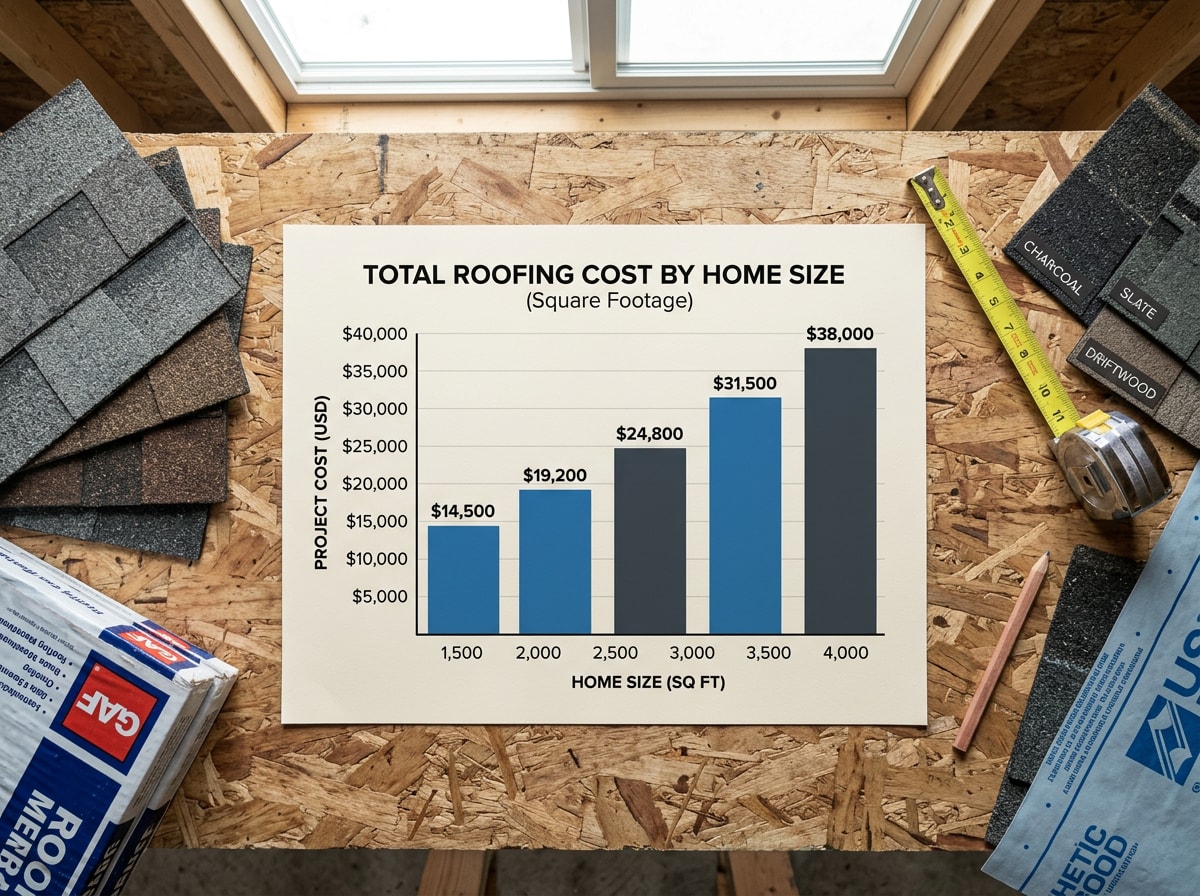
Roof Replacement Cost by Size (Square Footage)
Size drives more of your final price than any other factor. Roofers price jobs by the "roofing square," a unit equal to 100 square feet of roof surface, not home floor space.
Your roof's surface area is almost always bigger than your home's footprint because pitch adds material. A steeply pitched roof over a 2,000-square-foot home might measure 2,400 square feet or more once the slope is factored in.
| Home Size (sq ft) | Roofing Squares | Average Cost Range |
|---|---|---|
| 1,000 | 10 | $4,500 – $11,000 |
| 1,500 | 15 | $6,000 – $16,500 |
| 2,000 | 20 | $8,000 – $22,000 |
| 2,500 | 25 | $10,000 – $27,500 |
| 3,000+ | 30+ | $12,000 – $33,000+ |
Roof Replacement Cost by Material
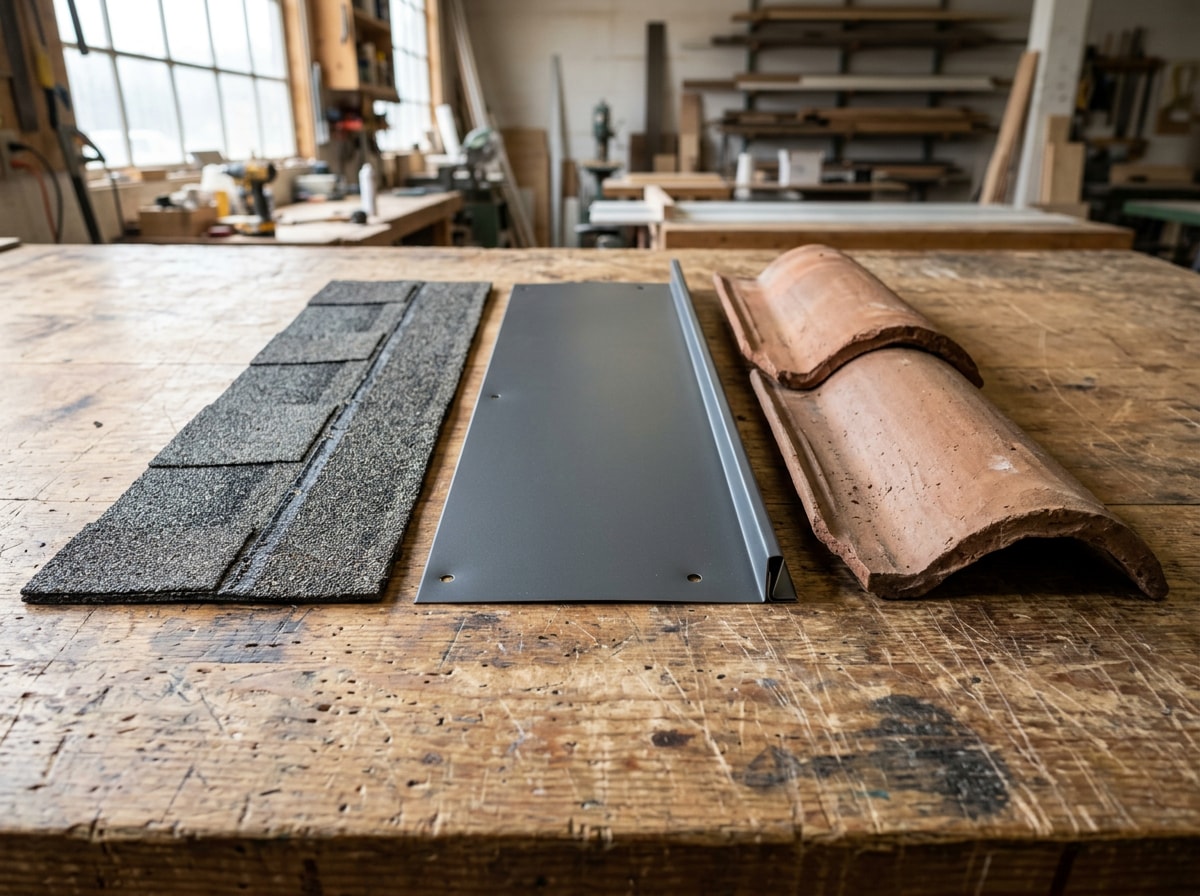
Material selection is usually the single biggest line item on a roofing estimate. Asphalt shingles remain the most common and affordable option. Premium materials like slate and tile cost more upfront but last decades longer.
| Material | Cost per Sq Ft | Typical Lifespan |
|---|---|---|
| Asphalt shingles | $4 – $8 | 20 – 25 years |
| Metal | $7 – $15 | 40 – 70 years |
| Wood/cedar shake | $7 – $14 | 25 – 30 years |
| Tile (clay/concrete) | $10 – $20 | 50+ years |
| Slate | $15 – $30 | 75 – 100+ years |
| Flat/membrane (TPO, EPDM) | $5 – $11 | 20 – 30 years |
Manufacturer-backed coverage is also worth comparing before you buy. GAF, for example, offers warranty terms as long as 25 years against algae staining on some shingle lines, which is a useful way to compare real-world durability claims between brands. You can see more cost breakdowns by material type in our guide to the most cost-effective roofing materials.
Roof Replacement Labor Costs
Labor typically makes up 40% to 60% of a total roof replacement cost. That's why two homes with identical materials can still get very different quotes. Steep pitch, difficult access, extra layers to remove, and local crew availability all push rates up or down.
According to the Bureau of Labor Statistics, the median wage for roofers was $26.65 per hour in May 2025. That translates into a rough labor cost of $2 to $5 per square foot before overhead, permits, and disposal. Regional demand and seasonal scheduling can shift that number further.
If your current roof just needs patching rather than a full tear-off, a roof repair is almost always the cheaper path. A roof inspection is the fastest way to find out which category your roof falls into.
Additional Roof Replacement Cost Factors
Beyond size, material, and labor, a few hidden costs catch homeowners off guard.
- Permits: Most municipalities require a permit costing $100 to $500 before work begins.
- Tear-off and disposal: Removing an old roof typically adds $1,000 to $4,000, especially with multiple existing layers.
- Structural repairs: Rotted decking, damaged trusses, or fascia issues can add several hundred to a few thousand dollars.
- Chimney and skylight flashing: Work around roof penetrations adds labor time and material.
- Regional cost-of-living: The same job can run 20% to 30% more in a high-cost metro area than in a rural one.
In our experience serving homeowners around Longview, Vancouver, Kennewick, and the broader Southwest Washington Metro area, moss and moisture are the two cost drivers that generic national calculators almost always miss. Pacific Northwest roofs often need extra decking repair or moss treatment baked into the quote, something a roof replacement estimate built for a dry Southwest climate won't account for.
Full vs. Partial Roof Replacement Costs
A partial roof replacement, redoing a single slope or damaged section, is possible when the rest of the roof is structurally sound and close in age to the new section. It typically costs $1,500 to $5,000 depending on the section's size.
A full roof replacement becomes necessary when the entire roof is near the end of its lifespan, has widespread damage, or when matching materials for a partial section isn't realistic. Most contractors will inspect before recommending one over the other.
Signs You Need a New Roof
Three warning signs stand out above the rest:
- Roof age. Most asphalt roofs are due for replacement at 20 to 25 years.
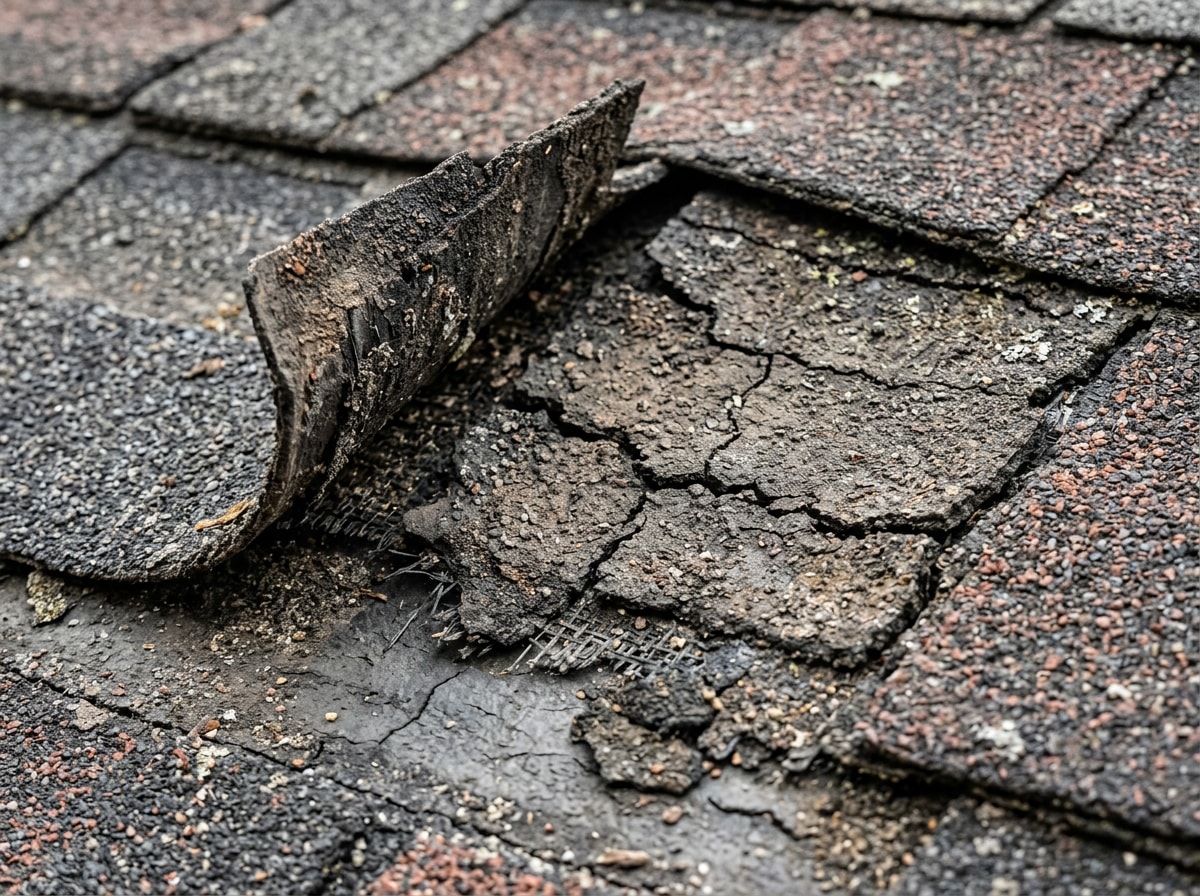
- Visible shingle damage. Curling, cracking, or heavy granule loss in the gutters.
- A sagging roof deck. This usually signals structural moisture damage, not just surface wear.
Other signs include interior water stains, daylight visible through attic boards, and shingle debris piling up after storms. The National Roofing Contractors Association recommends biannual inspections to catch these issues before they turn into costly interior damage. If you spot active leaking, don't wait on a routine inspection, call for emergency roof repair instead.
How Often Should You Replace Your Roofing?
Roof lifespan varies widely by material, so there's no single universal answer. Asphalt shingles typically last 20 to 25 years, metal roofing runs 40 to 70 years, and slate can exceed 75 to 100 years with proper maintenance.
Climate, ventilation, and installation quality all affect these ranges, sometimes significantly. Pair this timeline with the material pricing above when deciding whether to repair now or plan ahead for a full replacement.
Roof Replacement vs. Roof Repair: Cost Comparison
Deciding between repair and replacement comes down to comparing the cost of the fix against the cost of starting fresh. The average cost for repairing a roof runs $379 to $1,763, with a national average around $1,064, far less than a full replacement but not always the smarter long-term choice.
| Scenario | Typical Cost Range |
|---|---|
| Minor repair (small leak, few shingles) | $379 – $1,000 |
| Average repair | ~$1,064 |
| Major repair (large leak, structural) | $1,500 – $3,000+ |
| Full roof replacement | $5,900 – $46,000 (~$9,500 – $11,500 avg) |
As a practical rule: if a repair quote comes in above roughly 30% to 50% of what a full replacement would cost, or your roof is already near the end of its expected lifespan, replacement usually makes more financial sense than repeated patch jobs.
DIY Roof Replacement vs. Hiring a Professional
Skipping labor costs on a DIY roof replacement looks tempting on paper. In practice, DIYers can easily choose the wrong materials or install them incorrectly, which leads to leaks, structural damage, or voided manufacturer warranties.
Professional installation also typically includes proper permitting, code compliance, and safety equipment for working at height. None of those are trivial risks to take on alone. If you're weighing your options, get a quote from a licensed roofing contractor before deciding to go it alone, and compare that against a straightforward roof installation quote.
Does Replacing a Roof Increase Home Value?
A new roof is one of the more reliable home improvements for resale, often recouping 60% to 70% of its cost at sale and sometimes more in competitive markets. Buyers and appraisers tend to view roof age as either a red flag or a selling point, so a recent replacement with documentation can smooth negotiations. Material choice matters too: architectural shingles or metal roofing tend to read as higher quality than basic three-tab shingles.
How to Reduce Roof Replacement Costs
Getting at least three quotes from licensed contractors is the simplest way to avoid overpaying, since pricing for the same job can vary by thousands of dollars between companies.
- Schedule in late fall or winter, when demand is lower in many regions.
- Check your homeowners insurance policy if storm or wind damage caused the need for replacement.
- Ask about financing options that spread payments over time instead of requiring full payment upfront.
- Bundle a full roof replacement with any overdue repairs to avoid paying for a second mobilization later.
Ready to see what your project actually costs? Get a free estimate from our team, or start on the homepage to browse all of our exterior services.
FAQ
How Long Does a Roof Replacement Take?
A standard asphalt shingle roof on an average-sized home typically takes one to three days to install. More complex materials like slate or tile, or roofs with steep pitches and multiple facets, can extend the timeline to a week or more.
Does Homeowners Insurance Cover Roof Replacement?
Coverage generally depends on the cause of damage. Insurance typically covers replacement when damage results from a covered peril like a storm, hail, or fire, but it usually excludes normal wear-and-tear or age-related deterioration. The National Association of Insurance Commissioners offers a consumer guide that explains how typical policies handle these claims.
What Is the Best Time of Year to Replace a Roof?
Fall and spring are generally considered the best times to replace a roof, thanks to mild temperatures that help shingles seal properly. Winter installation can sometimes be cheaper due to lower demand, but cold temperatures and ice create added safety and material-flexibility risks.
What Is the Cheapest Roofing Material?
Asphalt shingles are the cheapest roofing material, typically running $4 to $8 per square foot installed. They remain the most popular choice for budget-conscious homeowners who want a solid, proven option without the higher upfront cost of metal, tile, or slate.
Is $30,000 Too Much for a Roof?
Not necessarily. For oversized homes or premium materials like metal, slate, or clay tile, totals in the $25,000 to $40,000 range are common. For a standard asphalt roof on an average-sized home, though, $30,000 would be well above typical pricing, so it's worth getting a second quote to confirm the scope matches the price.
About the Author
This guide was reviewed by the estimating team at Black Bear Home Exteriors, a licensed roofing and exterior contractor serving Longview, Vancouver, Kennewick, and the Southwest Washington Metro area. Our crews inspect and price roof replacements on a weekly basis across the Pacific Northwest's wet, moss-prone climate. Questions about your specific roof? Contact us for a free, no-pressure estimate.