How wide is metal roofing? Most panels run 12 to 48 inches wide, with the exact number depending entirely on the profile you pick. Order off the wrong figure and you'll either run short mid-install or pay for material you don't need, so let's break down what each style actually measures.
Standard Widths of Metal Roofing Panels
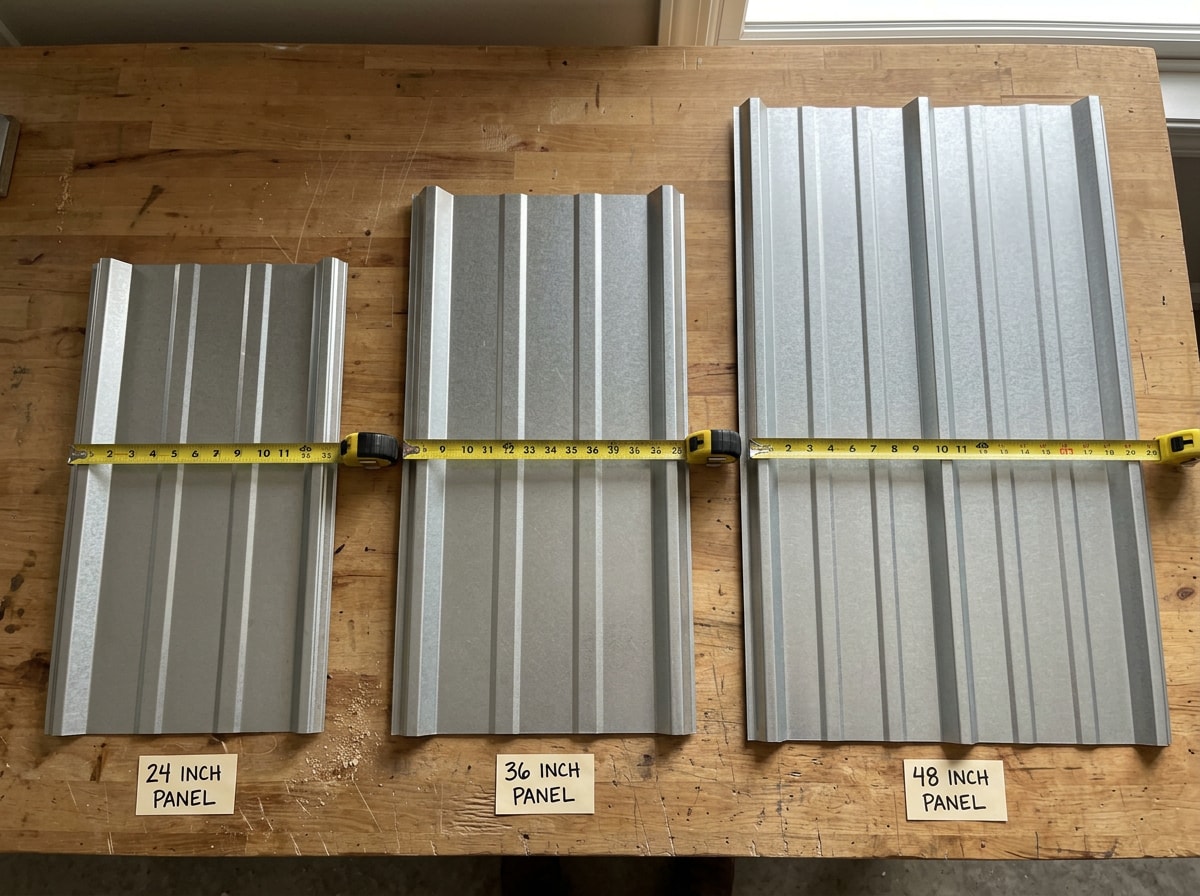
Residential panels typically run 24 to 36 inches wide, while commercial projects often use panels up to 48 inches to cover more area with fewer seams.
The 36-inch width is the most common choice for homes because it balances easy handling with solid coverage. Commercial buildings lean wider since fewer panels mean fewer seams and faster installation across large roof decks.
Manufacturers list two different numbers on their spec sheets: the overall panel width and the exposed coverage width. The second is narrower because panels overlap at the edges, and it's the number you actually use to calculate material quantities. We'll unpack that distinction further in the 5-rib section below.
Our crews at Black Bear Home Exteriors walk homeowners through this exact comparison on every estimate, since picking the wrong width early on is the most common reason a metal roofing project runs over budget. If you want a second set of eyes on your plans, see how our team approaches metal roof installation before you order materials.
Panel Styles and Their Widths
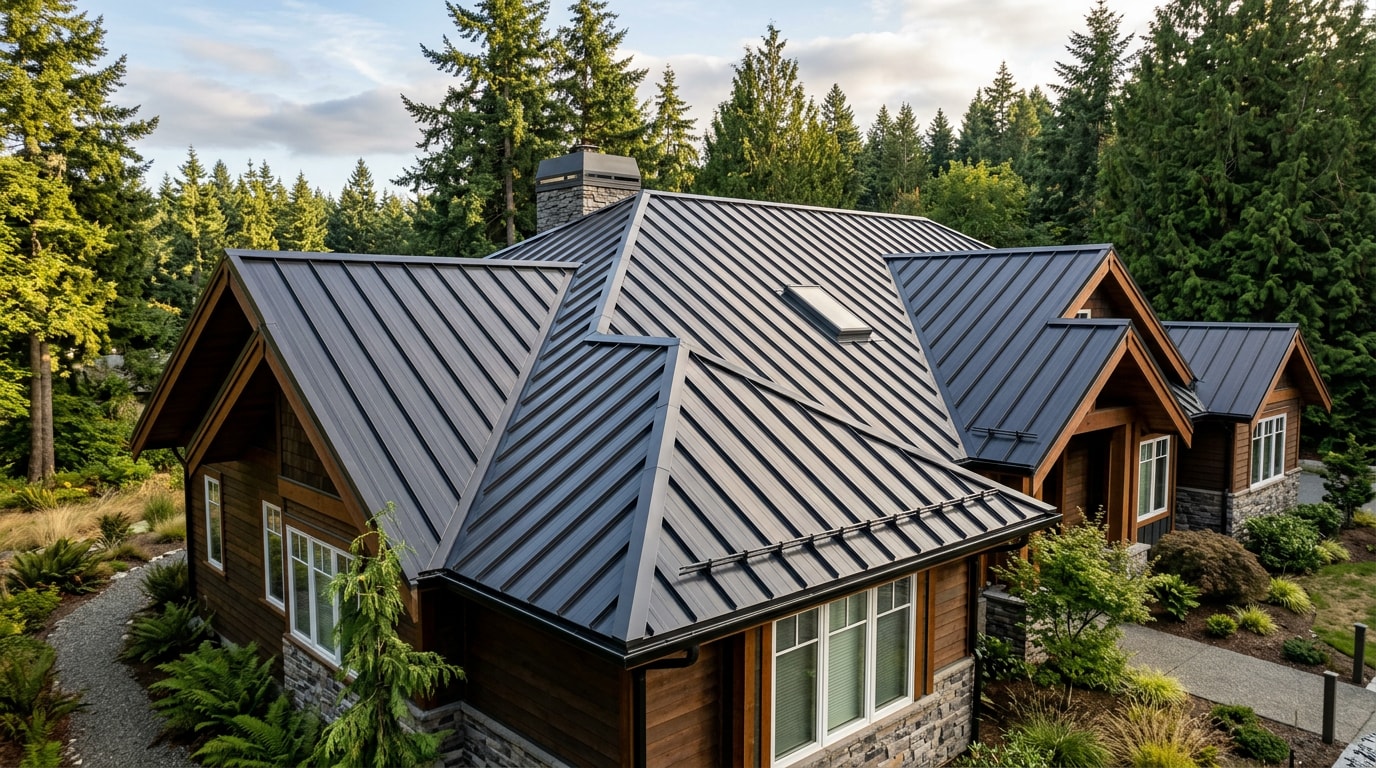
Width isn't one-size-fits-all. It depends heavily on the panel profile you choose. Corrugated panels tend to run narrower than standing seam styles, which use concealed fasteners and a cleaner, flatter look. Here's how the four most common profiles stack up.
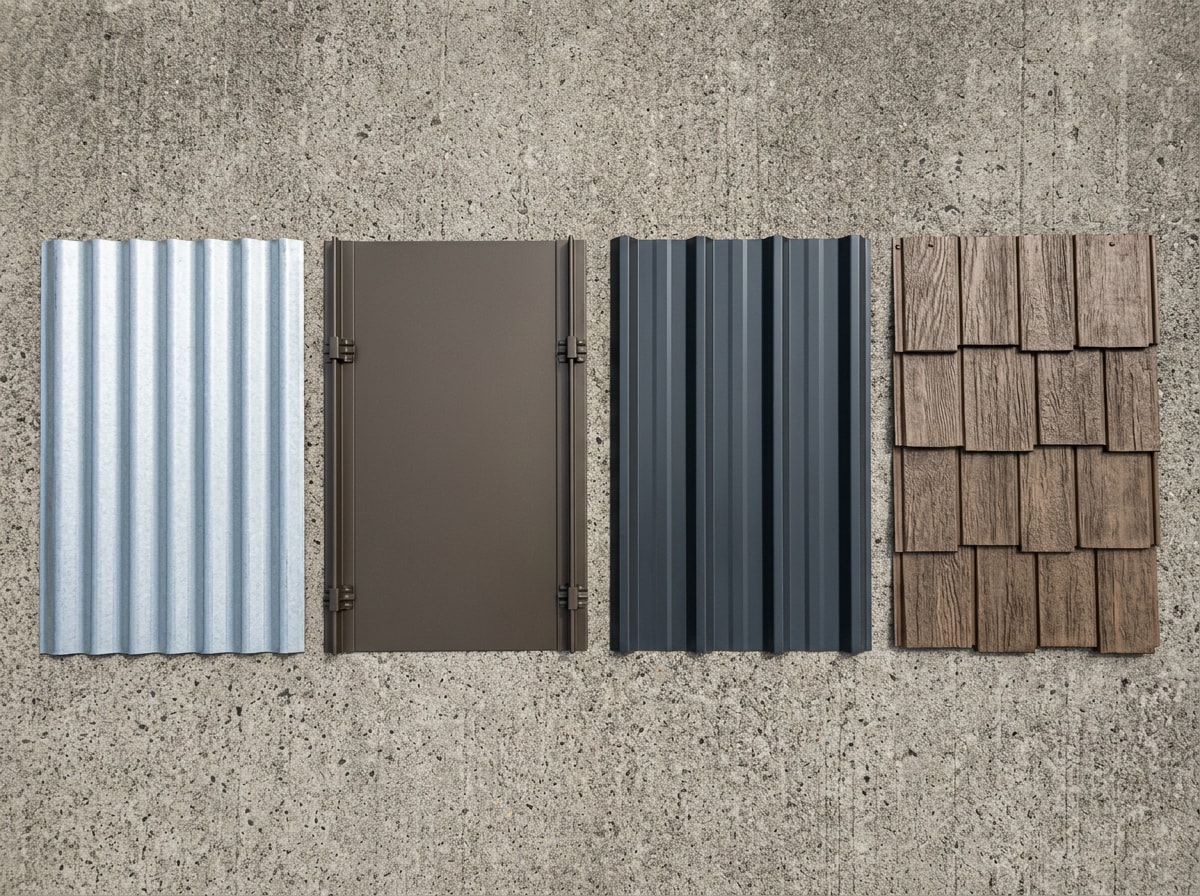
Corrugated Metal Panels
- Width: 24 to 36 inches
- Best for: sheds, barns, and simple residential roofs
- Known for: lightweight, budget-friendly, exposed fasteners
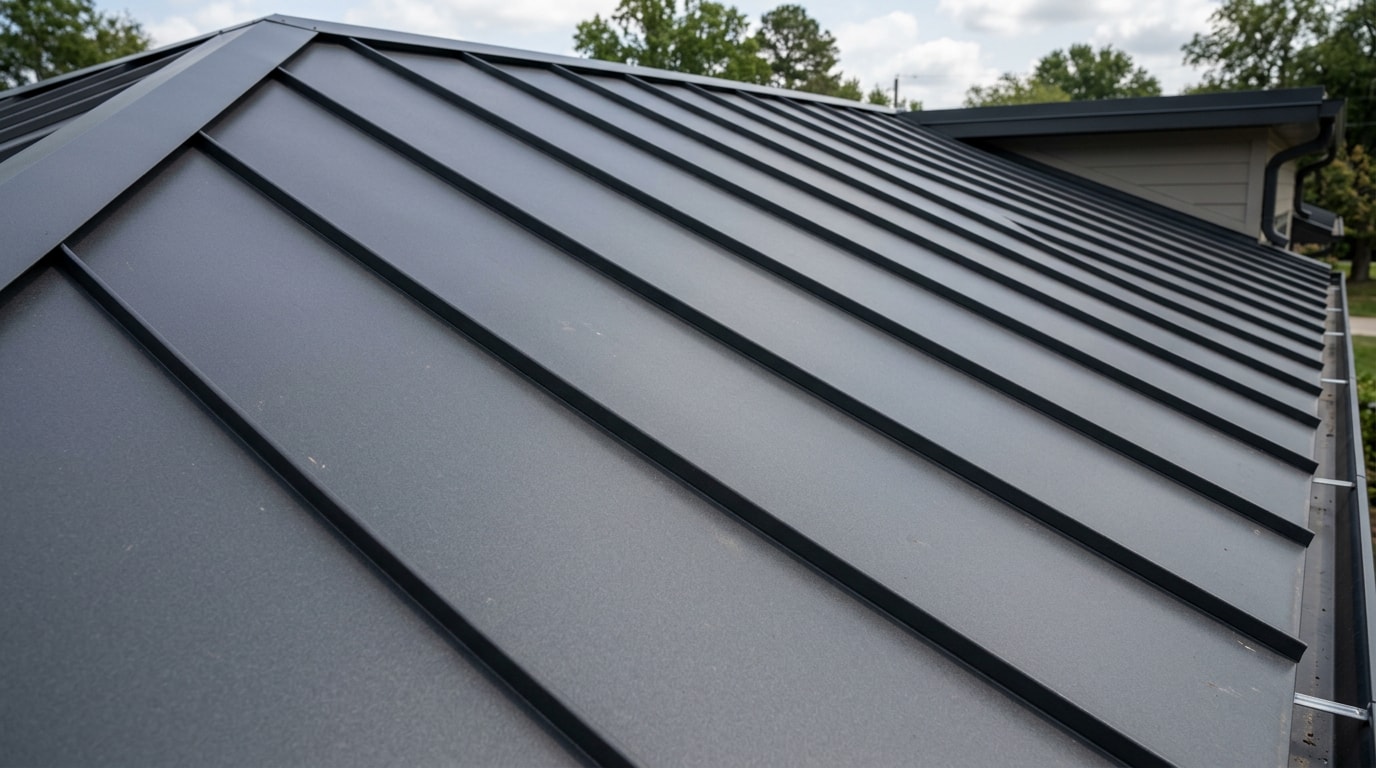
Standing Seam Metal Panels
- Width: 12 to 24 inches overall, with a 16 to 18-inch coverage sweet spot
- Best for: homes where a sleek, flat look matters
- Known for: hidden fasteners and long-term durability
Go much wider than 18 inches of coverage on a flat standing seam panel and you risk oil-canning, the wavy distortion that shows up when thermal expansion stresses too much unsupported metal.
Ribbed Metal Panels
- Width: 36 inches standard (often called R-panels)
- Best for: agricultural and light commercial buildings
- Known for: exposed fasteners, rugged under heavy use
Metal Shingles
- Width: 12 to 16 inches
- Best for: homeowners who want shingle or shake texture with metal durability
- Known for: matching traditional roof aesthetics
How Wide Is 5-Rib Metal Roofing?
Five-rib, or 5V crimp, panels carry a nominal 36-inch width, though actual exposed coverage usually lands closer to 34½ to 36 inches after overlap. The ribs themselves sit roughly 6 to 9 inches apart, spacing that helps channel water and adds rigidity.
The nominal-versus-exposure distinction isn't unique to 5-rib panels. It applies across every profile, and getting it wrong is the single biggest cause of material shortages on metal roofing jobs. The Metal Construction Association publishes industry installation guidance that defines these formed-width versus coverage-width terms in detail.
| Panel Profile | Nominal Width | Typical Exposed Coverage |
|---|---|---|
| Corrugated | 36" | 34–35" |
| Ribbed / R-Panel | 36" | 35–36" |
| 5-Rib / 5V Crimp | 36" | 34.5–36" |
| Standing Seam | 16–18" | 16–18" (interlocking, no overlap loss) |
Always confirm exact coverage figures on the manufacturer's current spec sheet before ordering. Small variances add up fast across a full roof.
Panel Length and Gauge: The Numbers Width Doesn't Tell You
Width only tells half the story. Length and gauge (thickness) both affect cost, performance, and how a panel ships to your site.
Panel lengths typically range from 8 to 24 feet, with some manufacturers producing custom lengths up to 40 feet or more using on-site roll-forming equipment. Longer panels mean fewer horizontal seams, which can improve weather resistance on a long roof run, but they also require more careful handling during delivery and installation.
Gauge works on an inverse scale: the lower the number, the thicker the metal.
| Gauge | Approx. Thickness | Typical Use |
|---|---|---|
| 24-gauge | ~0.024" | Premium residential, heavy snow or hail areas |
| 26-gauge | ~0.018" | Standard residential, most common choice |
| 29-gauge | ~0.014" | Sheds, outbuildings, budget projects |
Panel width, gauge, and length all interact. A manufacturer such as McElroy Metal breaks down how panel width specifically affects installation cost and efficiency, which is worth a read if you're weighing wider panels purely to save on labor.
Factors That Influence Metal Roofing Width
Sometimes panel width comes down to taste. People simply like how a certain width looks on their home or building. But structural factors matter too.
- Climate: in areas prone to high winds or heavy snowfall, wider panels can offer better structural support and fewer seams for wind to catch
- Roof slope: steeper, more visible roofs often favor narrower standing seam panels for a refined look
- Building codes: local jurisdictions often dictate fastening patterns and acceptable panel widths based on regional wind-load and snow-load requirements
It's worth checking your jurisdiction's current standards before finalizing a panel order, since requirements vary by region and change as codes are updated. The International Code Council's building code resources are a solid starting point for understanding what applies in your area.
If you're unsure whether your existing roof meets current code, a roof inspection is the fastest way to find out before you commit to a panel width.
Panel Height Also Matters
Width isn't the only spec worth tracking. Seam or rib height ranges from about 1 inch to several inches tall, depending on profile. Taller seams can boost water-shedding performance and visual drama, while shorter ribs keep a flatter, more understated look.
Height and width work together to determine how a panel performs and reads on the roof. If you're comparing profiles side by side, our guide on how to overlap metal roofing correctly covers how seam height and panel overlap affect weathertightness during installation.
Choosing the Right Width for Your Roof
Factor in roof slope, your aesthetic goals, and the overall scale of the project when picking a panel width. A steep, visible roof might call for a narrower standing seam for curb appeal, while a large commercial deck favors wider panels for speed and cost efficiency.
Knowing your panel width upfront also sharpens your estimates for materials, labor time, and total project cost, which means fewer surprises once installation starts.
We handle metal roofing projects throughout the Southwest Washington Metro area, and panel width is one of the first details our estimators confirm on-site, not just from a catalog. If you're ready to move forward, get a free estimate and we'll tell you exactly which width and profile fits your roof, your budget, and your local code requirements.
Visit the Black Bear Home Exteriors homepage to see our full range of roofing, siding, and window services, or head straight to roof replacement if your current roof is due for an upgrade.
FAQ
What is the most common width for metal roofing panels?
36 inches is the most cited standard width, especially for ribbed and commercial panels, though residential standing seam often runs narrower. Exact figures vary by manufacturer.
How wide is a standing seam metal roof panel?
Standing seam panels typically measure 12 to 24 inches in overall width, with 16 to 18 inches of actual exposed coverage once panels interlock.
What is the difference between panel width and coverage width?
Overall width is the full panel measurement before installation. Coverage width is the exposed, visible width after overlap. Ordering off the wrong figure leads to material shortages.
How do I calculate how many metal roofing panels I need?
Measure your roof's length and width, divide by the panel's coverage width, then add extra for overhang and waste. A roof installation estimate from a contractor will confirm the exact count before you order.
How long are metal roofing panels?
Standard lengths run 8 to 24 feet, though some manufacturers can produce custom lengths up to 40 feet or more using on-site roll-forming equipment.
What gauge is used for most residential metal roofs?
26-gauge is the most common choice for standard residential roofs, while 24-gauge is used in areas with heavy snow or hail for added durability.