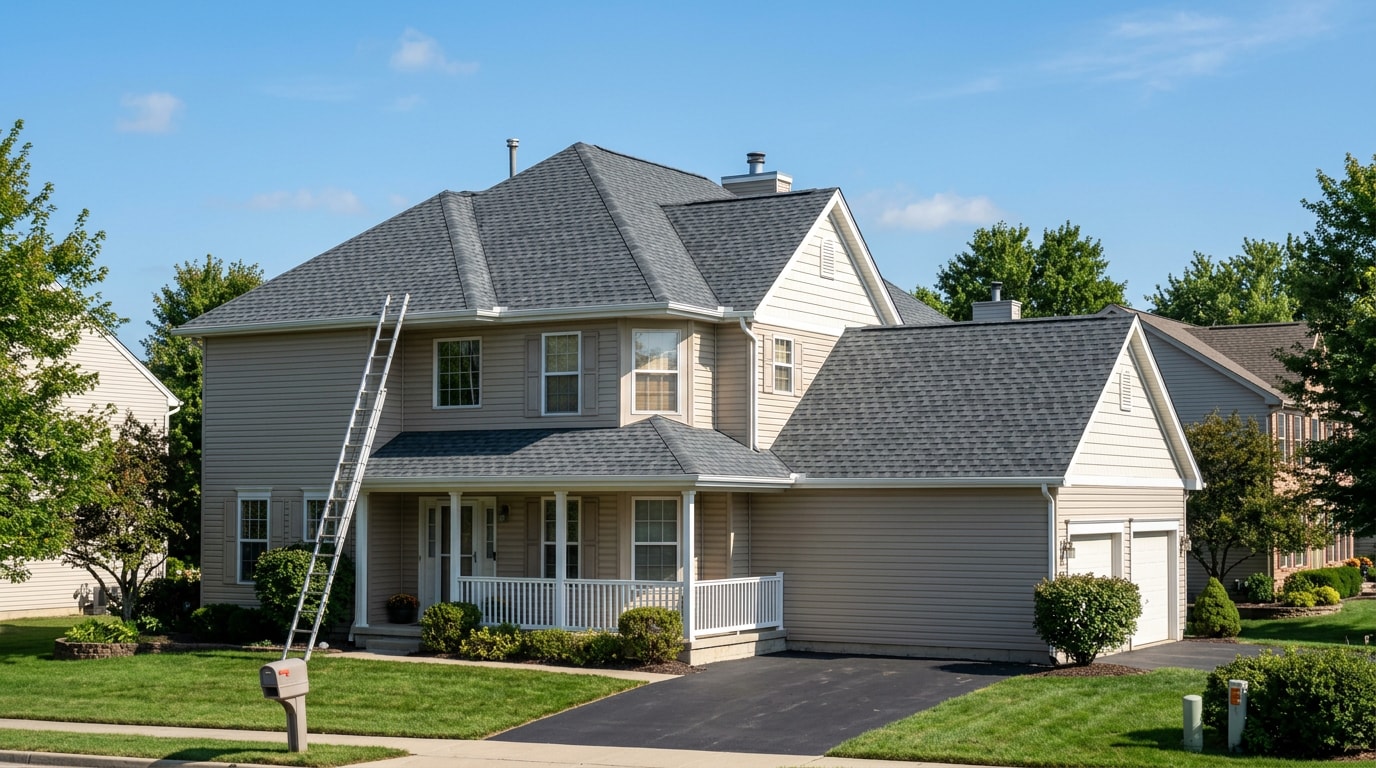
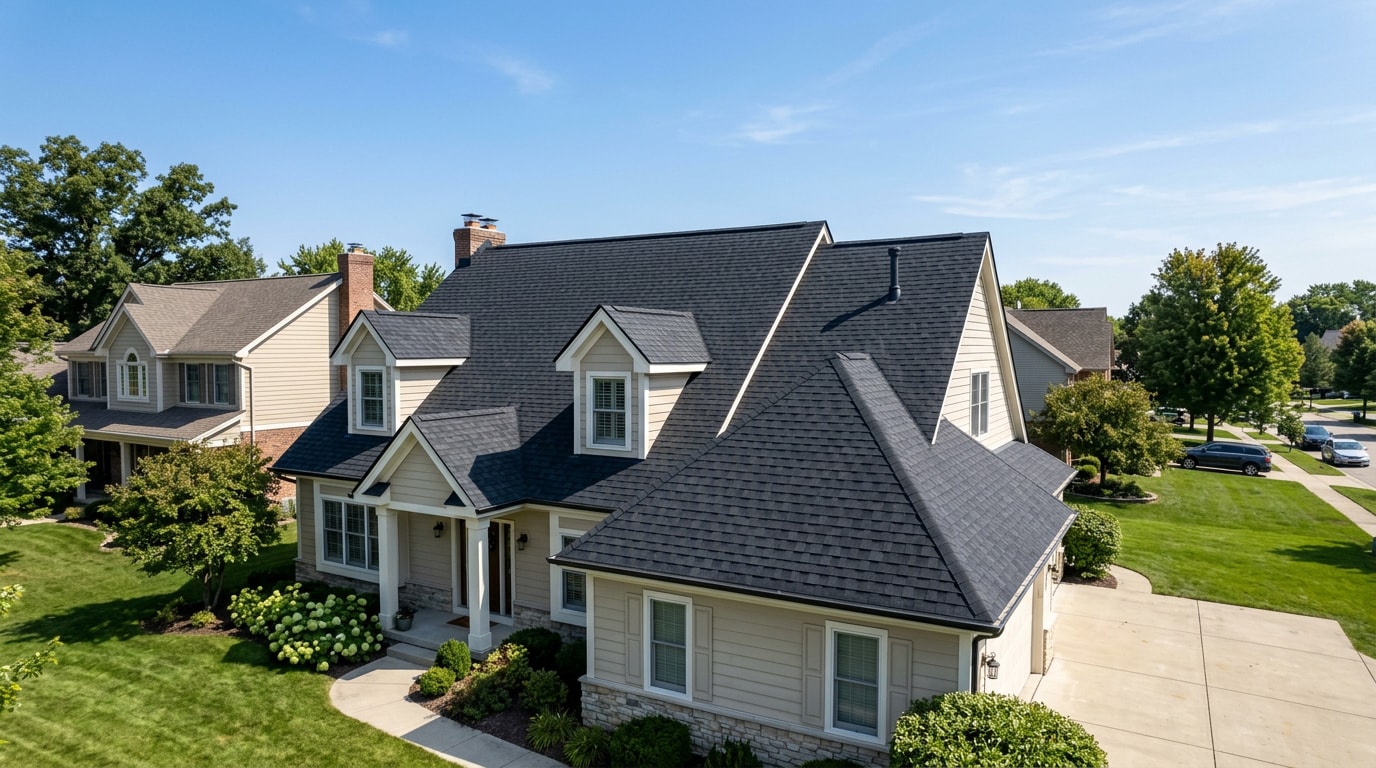
Do roofing companies do payment plans? Yes, most established roofers offer one, but "payment plan" can mean two very different arrangements. One is an informal split you work out directly with your contractor. The other is a real loan, backed by a licensed lender and federal consumer protections you should understand before you sign anything.
Knowing which one you're being offered changes what paperwork you should expect, what happens if something goes wrong, and how much the roof actually costs you over time.
The Two Things People Mean by "Payment Plan"
A roofing payment plan generally falls into one of two buckets: in-house financing, where the contractor splits your bill into a few payments tied to job milestones, or third-party financing, where a separate lender approves you for a loan and you repay that lender directly. Some companies offer both and let you pick based on job size.
Ask which one a contractor actually means before you commit. Browse our roofing services to see what a full inspection, repair, or replacement typically involves before you start comparing financing offers.
An In-House Split With the Contractor
This is the simplest version. It usually looks like:
- A deposit paid up front
- A second payment once the old roof is torn off
- A final payment when the job passes inspection
No interest, no credit application, and no formal loan file. It works well for smaller repairs where the total cost is modest and the timeline is short.
Because this arrangement is set up informally between you and the roofer, it typically isn't backed by the same regulated disclosures that come with a formal loan. Terms can vary quite a bit from one company to the next, so get the split in writing before work starts.
Third-Party Financing Through a Licensed Lender
Third-party roof financing works differently. The roofing company partners with a sales finance company, you submit an application, and that lender, not the contractor, approves you and sets the repayment terms in writing.
Many roofers partner with recognizable consumer lenders built specifically for home improvement work. GreenSky is a third-party financing company that offers payment plans for a variety of home improvement projects, including roofing. Other contractors work through programs tied to FHA Title I, a federal insurance program for home improvement lenders.
HUD insures private lenders against loss on property improvement loans they make, and the applicant must have a good credit history and the ability to repay the loan in regular monthly payments. That federal backing is a meaningful distinction. It means disclosures and lending terms follow established rules rather than a handshake agreement. You can review the official HUD Title I program page to see how lender approval actually works.
Because the money flows through a licensed lender, this route tends to suit larger jobs where a written contract and a fixed monthly payment give both sides more certainty.
What the FTC Holder Rule Means for Your Financing Contract
This is the part most roofing payment guides skip, and it's worth five minutes of your attention. When a contractor hands you a financing application for a specific lender, federal law still protects you if the work goes wrong.
The Holder Rule protects consumers who enter into certain credit contracts by preserving their right to assert claims and defenses against any holder of the contract, even if the seller later assigns the contract to another company. In plain terms, if the roofer disappears or does bad work, you may still be able to raise that as a defense against the loan itself, not just against the contractor.
The protection isn't theoretical. The Federal Trade Commission and State of California took action against a home improvement financing provider for deceiving consumers about the financial impact of its financing and for unfairly recording liens on consumers' homes without their consent. Read the contract's notice language before you sign, and ask your contractor directly who the lender is and whether that notice is included.
What Types of Roof Financing Are Available
Beyond the in-house versus third-party split, lenders typically package roofing loans into a handful of common structures. The one you're offered often depends on the loan amount and your credit profile.
Fixed-rate installment loans. A set monthly payment over a defined term, usually anywhere from one to twelve years depending on the lender and loan size.
Same-as-cash and deferred-interest promotions. Pay 0% on the balance for an introductory window, often 6 to 18 months.
Manufacturer-backed financing. Some roofing material manufacturers partner with lenders to offer promotional rates when you use their certified installers.
The Deferred-Interest Catch
The risk with deferred-interest plans is what happens if you don't pay off the balance before the promotional window closes. Many of these plans charge interest retroactively, calculated back to the original purchase date rather than just going forward from the day you miss the deadline.
The interest rate on these cards is generally about 25 percent, so these deferred-interest charges can be substantial, and a 2015 CFPB report found that the number of purchases using deferred-interest promotions rose 21 percent between 2010 and 2013. Before signing anything labeled "no interest if paid in full," ask your lender in writing exactly how a missed deadline would be calculated.
How Roofing Financing Works Step by Step
The process is more predictable than most homeowners expect. It tends to follow the same stages no matter which lender is involved:
- A roofer completes a roof inspection and provides a written estimate, usually same-day or within 24 to 48 hours.
- You discuss financing options and submit an application, which for many online lenders takes just minutes.
- The lender approves or declines the application. Straightforward files with decent credit are often approved same-day; more complex cases can take two to three business days.
- Once approved, work is typically scheduled within a week or two, and payments begin on the agreed schedule.
If you want real numbers before applying for anything, request a free roofing estimate so you know the total project cost going in.
Will My Credit Score Matter?
Yes, but it isn't the only factor lenders weigh. Most lenders review credit alongside income and existing payment history. A higher score usually makes it easier to qualify for a loan and may result in a better interest rate or loan terms.
A lower credit score doesn't take financing off the table. It typically just means a higher rate, a shorter term, or a co-signer requirement. Some federally backed home improvement programs have no minimum credit score requirement, though the lender is still expected to review the borrower's credit history closely. Shop more than one lender before settling on terms, since rate tiers vary widely by program.
Why Roofing Gets Financed More Than Most Home Improvements
Roofs get financed more often than kitchen remodels or new flooring for a simple reason: they're rarely optional and rarely cheap. A storm doesn't wait for your savings account to catch up, and a full replacement often lands well into five figures.
That combination of urgency and price is exactly why financing infrastructure is built into the roofing trade specifically, more so than in most other home-improvement categories. Few homeowners have that kind of cash sitting around for an unexpected roof expense, so lenders and contractors built programs to meet that gap. For the bigger picture on managing roofing costs, see how much a roofing square actually costs in 2026.
Financing vs. Every Other Way to Pay
Contractor financing isn't the only path. Homeowners also use home equity loans, credit cards, insurance claims, or straight cash, each with different speed, risk, and cost trade-offs.
| Payment Method | Speed to Funds | Collateral | Typical Cost Behavior |
|---|---|---|---|
| Third-party roof financing | Days | Usually unsecured under $7,500; larger federally backed loans may require a lien | Fixed installment payments over a set term |
| HELOC | Weeks | Your home | Often a lower rate, but variable and tied to equity |
| Credit card | Instant | None | Low or 0% during any promo period, then high ongoing APR |
| Insurance claim | Weeks to months | N/A | Covers only qualifying perils; deductible still due |
| Cash | Immediate | None | No interest, but depletes savings |
A HELOC often offers a lower rate but uses your home as collateral and can take weeks to close, while contractor financing can be approved in days without touching your equity. Roof financing versus a credit card is usually a cost question. Cards are instant, but they typically carry much higher ongoing interest once any promotional period lapses, while installment roof loans tend to be fixed and more predictable. Rates shift with broader lending conditions, so confirm current figures directly with a lender before assuming one option is cheapest. For a deeper look at financing mechanics specifically, see how roofing companies finance new roofs.
The Bottom Line
Small repairs are usually fine with a basic in-house split. Full replacements generally make more sense with third-party financing, since it comes with defined terms and real federal consumer protections built in.
Compare your options against actual roof replacement and roof repair pricing before deciding. The team at Black Bear Home Exteriors walks homeowners across Southwest Washington through both financing paths during every estimate, so you know the real numbers before you choose.
Frequently Asked Questions
Do Roofing Companies Offer Payment Plans?
Yes. Most established roofing companies offer payment plans, either as an in-house split tied to project milestones or as third-party financing through a licensed lender. The right choice depends on job size and whether you want fixed, regulated loan terms.
Do All Roofing Companies Offer Financing?
No. Not every roofer offers financing, and availability varies by company size and region. Ask directly during your estimate which specific options, if any, a contractor actually provides.
Can I Finance a Roof With Bad Credit?
Often, yes. Some lenders work with lower credit scores, though approval odds and rates vary by lender. Some federally backed programs don't set a minimum score at all, but still review your credit history closely. Shop more than one lender before settling on terms.
Does Financing Delay the Roofing Work?
Not usually. Approval is often same-day or within a couple of business days, and most companies schedule work shortly after financing clears.
Is Roof Financing Only for Full Replacements?
No. Smaller repairs are often handled with an in-house payment split instead of a formal loan. Full loan financing tends to make more sense once the job runs into the thousands of dollars, where a fixed term and written contract matter more.
Is My Home Used as Collateral for Roof Financing?
It depends on the loan. Many unsecured personal and roofing loans under a few thousand dollars don't require collateral. Under federally backed programs like FHA Title I, loans over $7,500 generally must be secured by a mortgage or deed of trust on the property. Ask your lender directly before signing.
How Do I Get Financing for a New Roof?
Start with a written estimate so you know the real project cost. From there, your contractor can tell you which lenders they work with, or you can apply directly with a home improvement lender. Contact us for a free estimate and a walkthrough of which financing options fit your project.
Is Financing Better Than Using a Credit Card?
For larger roofing jobs, financing plans often beat high-interest credit card rates once any promotional card period ends. Fixed-term loans also tend to make monthly budgeting more predictable.