The best roofing shingles for most homeowners in 2026 are architectural asphalt shingles, with metal and slate reserved for buyers who want decades more lifespan and can absorb the higher upfront cost. Which one earns the title of best shingle for your house comes down to climate, roofline, and how long you plan to stay put. Here's how the major shingle types, brands, and price points actually compare, based on the specs we check before we ever write a quote.
At Black Bear Home Exteriors, we spec and install shingles across southwest Washington, so this guide leans on what holds up out here, not just manufacturer brochures.
Best Roofing Shingles by Material Type
Not every roof needs the same shingle. The right pick for a starter home on a tight budget looks nothing like the best choice for a property facing hurricane-force wind or heavy coastal rain. Here's how the major categories stack up on cost, lifespan, and real-world performance.
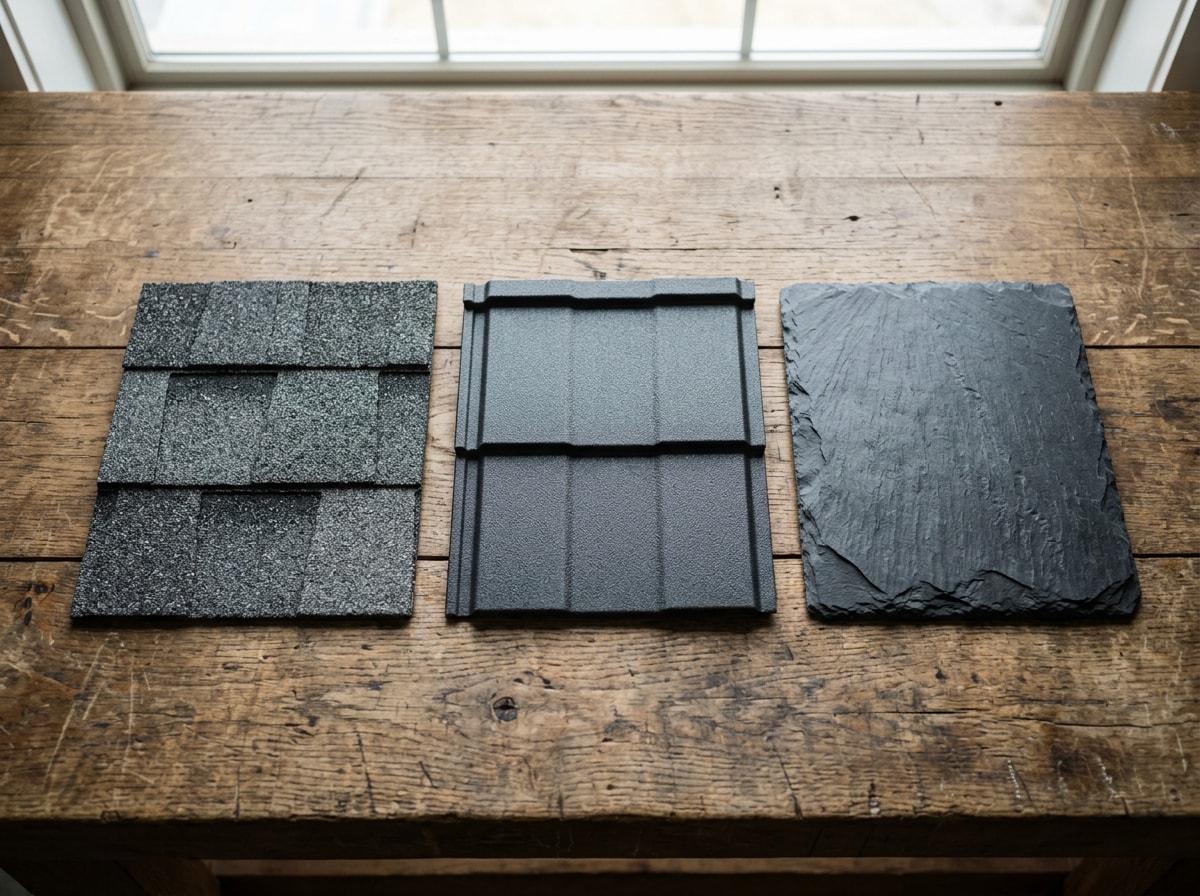
Asphalt Shingles
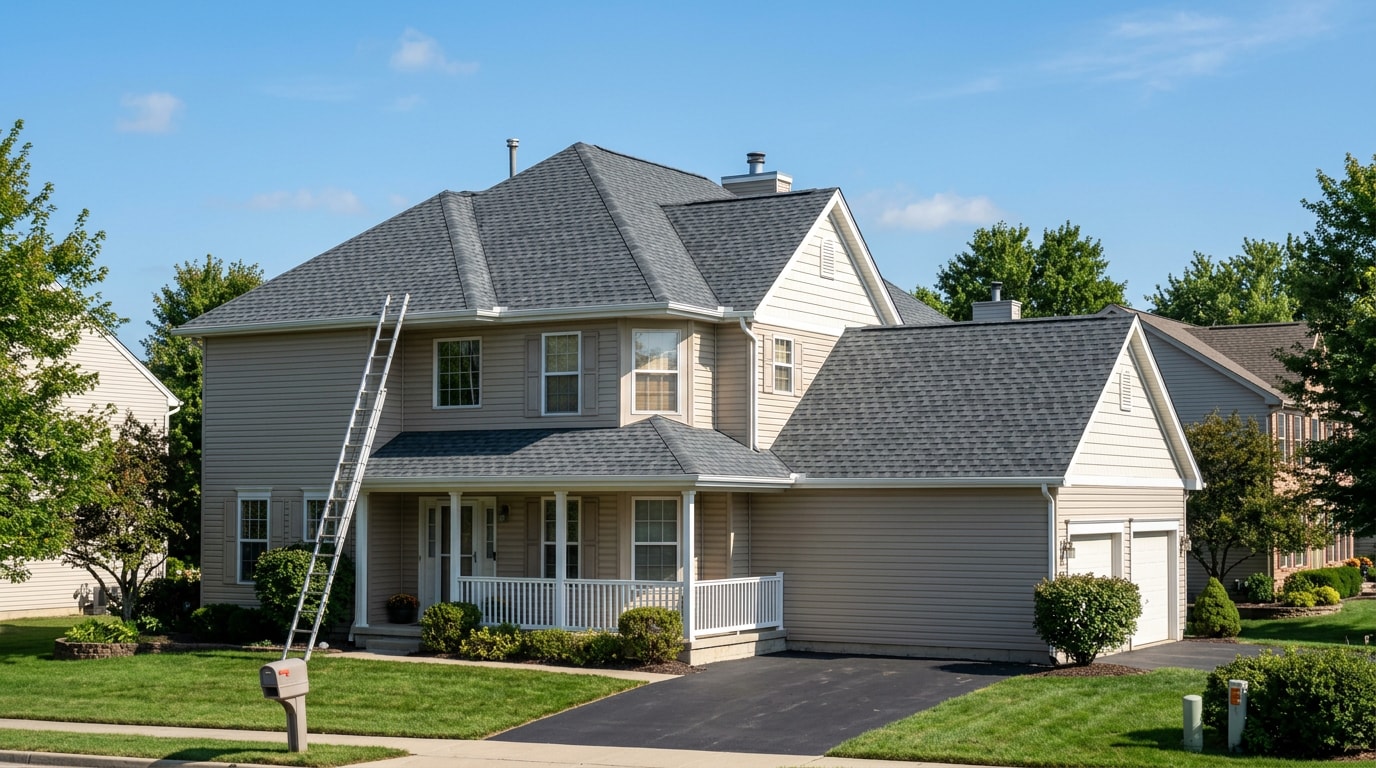
Asphalt shingles cover roughly four out of five U.S. homes, and it's easy to see why: they're affordable, quick to install, and available in dozens of colors and textures. Shingle lifespan typically runs 15 to 30 years depending on product tier, installation quality, and local climate exposure.
Within the asphalt category, 3-tab shingles are the flat, single-layer budget option. Architectural shingles use layered construction for a thicker profile and longer warranty coverage. Quality varies more than most buyers expect, so it's worth checking that a product is rated to current ASTM and ICC wind and fire classification standards rather than relying on marketing language alone.
Architectural (Dimensional) Shingles
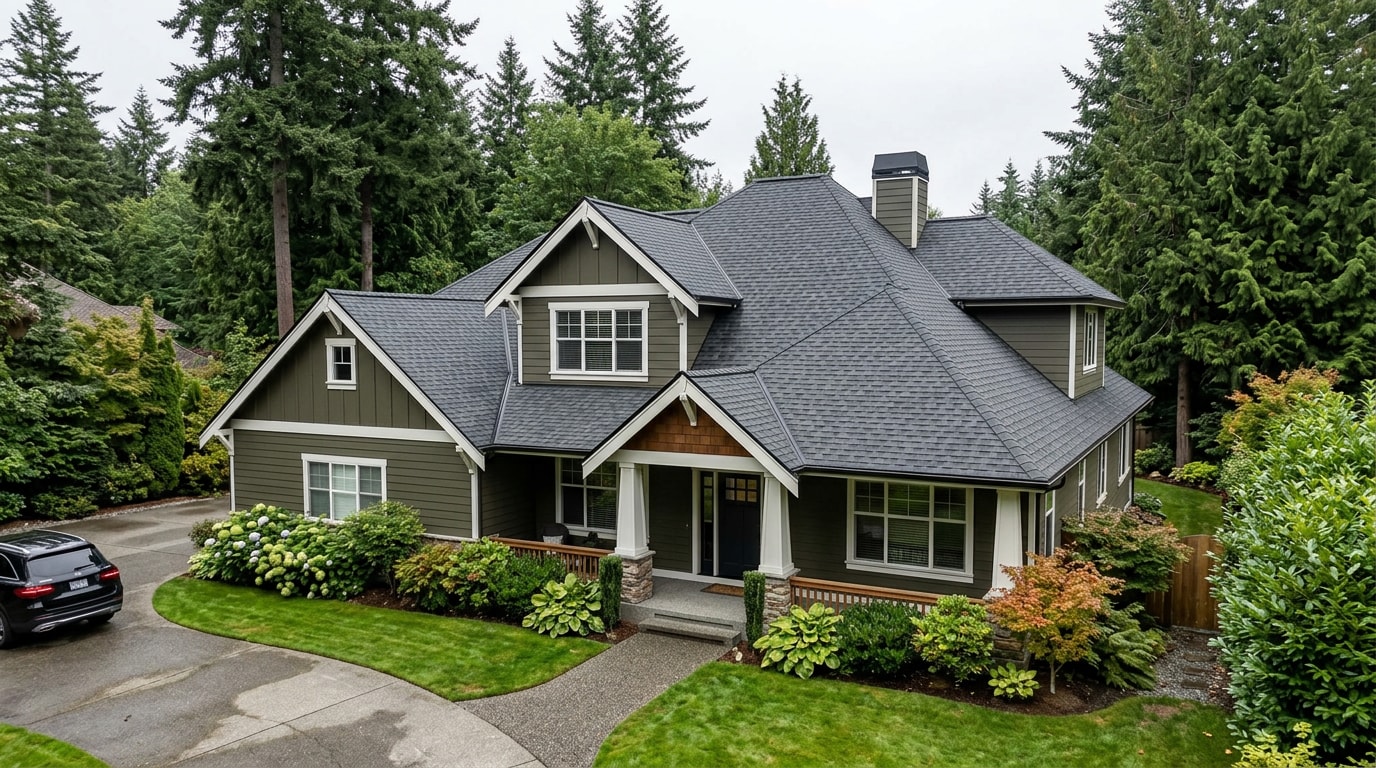
Architectural shingles, also called dimensional or laminate shingles, are built from two or more asphalt layers fused together. That extra layer adds thickness, a more textured appearance, and noticeably better wind resistance than flat 3-tab styles.
Manufacturers typically back architectural shingles with 30- to 40-year warranties, and many hold up to that range when properly installed and ventilated. Actual lifespan still varies by climate and maintenance. If you're planning a roof installation, ask your contractor which wind-rating class applies at your specific address, not just the brochure number.
Metal Roofing Shingles
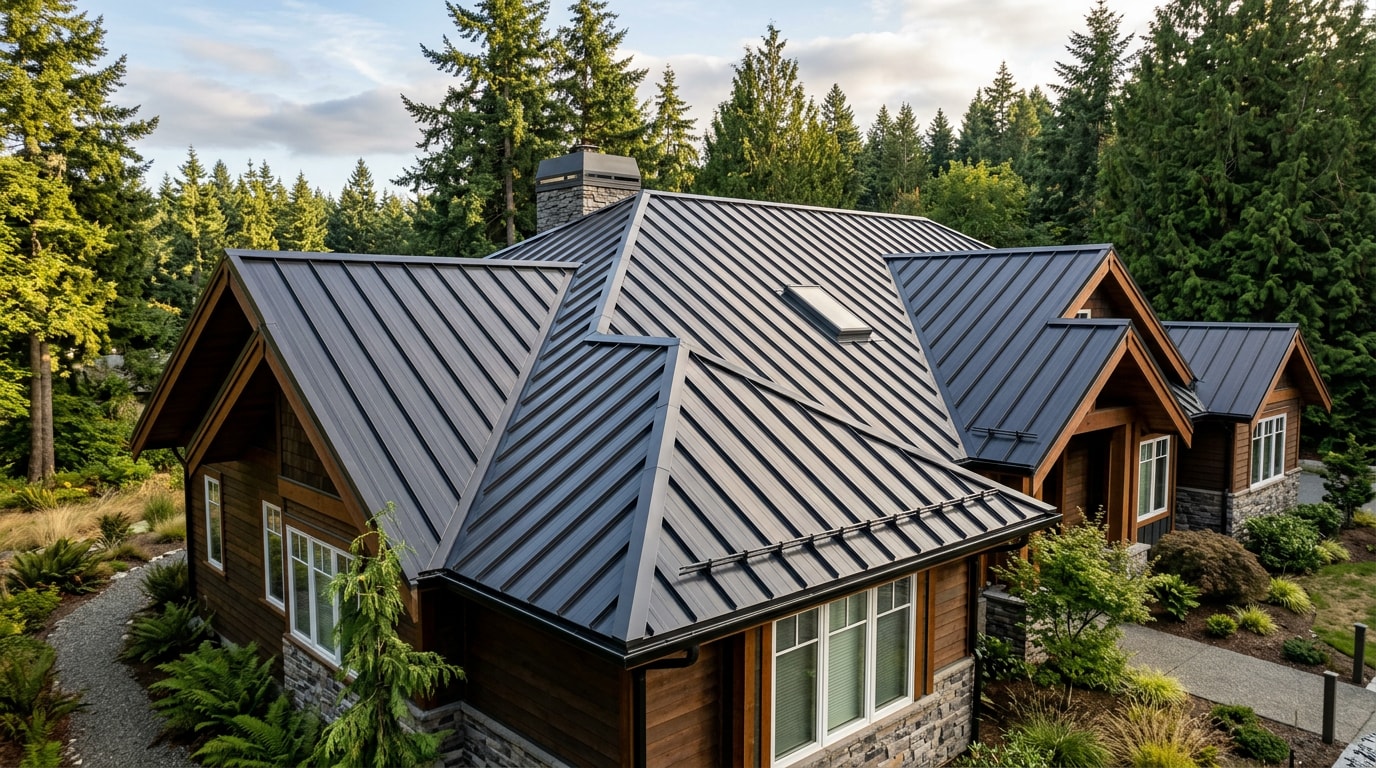
Metal roofing shingles, styled to mimic shake, slate, or tile, offer one of the longest metal roof lifespan ranges available, often 40 to 70 years with minimal upkeep. The tradeoff is upfront cost, which usually runs two to three times higher than asphalt per square.
Many metal shingle coatings reflect solar heat rather than absorbing it, which can meaningfully lower cooling costs in hot climates. The U.S. Department of Energy's consumer guide to cool roofing explains how reflective roofing materials reduce attic heat gain, a factor worth weighing against the higher sticker price.
Cedar Shake Shingles
Cedar shake shingles bring a natural, textured look that few other materials replicate, along with modest natural insulation value. They demand more upkeep than asphalt or metal, including periodic treatment against moisture, moss, and insects. Some wood shingles are restricted or banned outright in high-wildfire-risk zones under local fire codes.
For homeowners who prioritize natural aesthetics and don't mind the maintenance schedule, cedar remains a solid, if higher-effort, choice.
Composite and Synthetic Shingles
Composite and synthetic shingles are engineered from recycled rubber, plastic, or polymer blends to mimic the look of slate or cedar at a fraction of the weight and cost. They generally need less maintenance than wood and resist cracking, rot, and insect damage better than natural materials do.
Because many composite products rely on recycled roofing materials, they also appeal to homeowners who want a lighter environmental footprint without giving up curb appeal. Warranty lengths vary widely by manufacturer, so compare specific product lines rather than assuming all synthetics perform the same.
Slate and Synthetic Slate Shingles
Natural slate shingles are arguably the longest-lasting roof shingles on the market, with documented service lives exceeding 50 to 100 years in the right conditions. That longevity comes at a cost: slate is heavy, expensive, and often requires reinforced roof framing to support the added weight.
Synthetic slate solves the weight and cost problem by replicating slate's look in lighter composite materials, typically at one-third to one-half the price of natural stone. It won't match slate's century-plus lifespan, but most synthetic slate products still carry 40- to 50-year warranties.
Solar Shingles
Solar shingles integrate directly into the roof surface to generate electricity, functioning as both shingle and solar panel in one unit. Solar roofing costs significantly more than traditional shingles upfront, but it appeals to eco-focused homeowners and new-construction projects where an energy-generating roof is part of the design from day one.
Best Roofing Shingle Brands Compared
Material type matters more than brand for long-term performance, but manufacturer reputation still affects warranty coverage and quality consistency. GAF, Owens Corning, CertainTeed, Malarkey, Atlas, and IKO are the names most frequently cited by contractors and trade publications for consistent granule adhesion and strong warranty programs.
| Brand | Known For | Typical Wind Rating | Impact Rating | Warranty Highlight |
|---|---|---|---|---|
| GAF | Largest contractor network, wide style range | Up to 130 mph | Class 3 on most lines, Class 4 on select products | Limited lifetime, enhanced terms through certified installers |
| Owens Corning | SureNail reinforced nailing strip | Up to 130 mph | Class 3 standard, Class 4 on premium lines | Limited lifetime, non-prorated workmanship period |
| CertainTeed | Widest color and style selection | Up to 110-130 mph | Class 3-4 depending on product line | Limited lifetime with SureStart early-defect coverage |
| Malarkey | Impact resistance, recycled rubber content | Up to 110-130 mph | Class 4 standard on several lines | Limited lifetime |
| Atlas | Value pricing, algae resistance | Up to 130-150 mph | Class 4 on StormMaster Shake | Limited lifetime, dedicated algae-resistance warranty |
| IKO | Budget-friendly architectural options | Up to 110-130 mph | Class 3 standard | Limited lifetime |
No single brand dominates every category. Whichever name you lean toward, pair it with a qualified installer. The NRCA's contractor-vetting guidelines are a useful checklist before you sign anything. Browse our roofing contractor services to see how we handle brand selection on our own jobs.
Best Roofing Shingles for Your Climate
Material quality only tells half the story. Climate, roof slope, and regional weather extremes all affect which shingle actually performs best on your house.
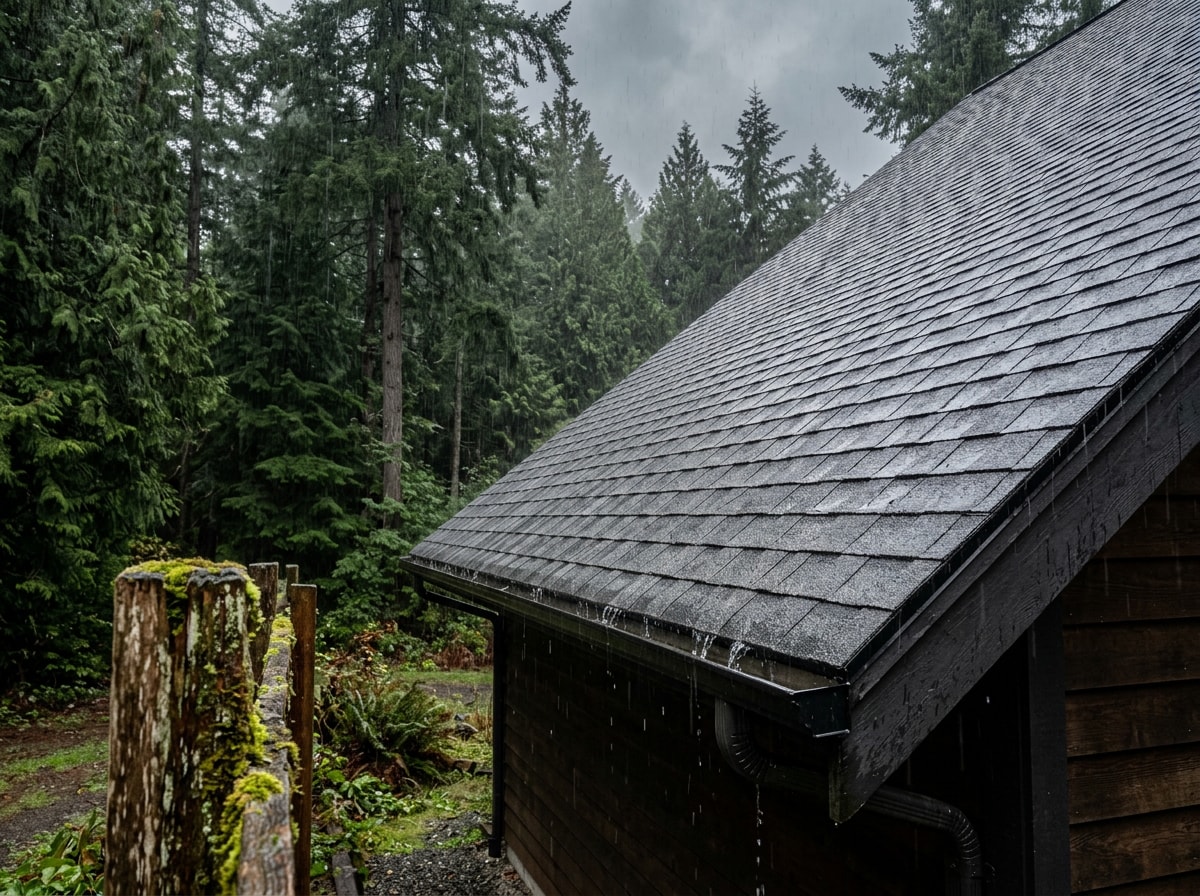
- Cold and snowy regions: Look for strong freeze-thaw resistance and sealant strips that still bond in low temperatures. Metal roofing and heavier architectural asphalt shed snow load efficiently and resist the cracking thinner 3-tab shingles develop through repeated freeze cycles.
- Hot, high-UV regions: Reflective metal shingles or asphalt products with UV-rated granules hold up better, since intense sun exposure accelerates granule loss and brittleness over time.
- High-wind and hail-prone areas: Impact-rated architectural shingles or metal panels with higher wind-uplift ratings generally outperform standard 3-tab products, which are usually the first to fail in severe storms.
None of these recommendations are absolute. Local building codes and a roof's pitch and exposure also play a role, so confirm specifics with a local installer.
In our own service area, from Longview through Vancouver to Kennewick, roofs deal with near-constant rain, moss growth, and wind gusts funneling through the Columbia River Gorge. That combination is exactly why algae-resistant granules and a documented wind-uplift rating aren't optional upgrades out here, they're the baseline. A roof inspection before you buy shingles can confirm what your current roof deck and ventilation can actually support.
Roofing Shingle Cost Comparison
Roof shingle cost varies widely by material, and lifespan differences change the real long-term math more than the sticker price alone suggests. The table below breaks down average cost per square (100 square feet of roofing), expected lifespan, and maintenance demands across the five most common categories.
| Shingle Type | Average Cost (per square) | Lifespan | Maintenance |
|---|---|---|---|
| Asphalt (3-tab) | $90-$150 | 15-20 years | Low |
| Architectural asphalt | $120-$220 | 25-40 years | Low |
| Metal | $300-$900 | 40-70 years | Very low |
| Cedar/wood shake | $350-$600 | 25-30 years | High |
| Slate / synthetic slate | $600-$1,800 | 50-100+ years (natural) / 40-50 years (synthetic) | Low-Moderate |
Prices shift based on region, roof complexity, and current material costs, so treat these as planning ranges rather than quotes. For a broader breakdown of pricing across every roofing material, not just shingles, see our guide to the most cost-effective roofing materials. If you're ready to move forward with a full roof replacement, we can walk you through which tier makes sense for your budget and timeline.
Which Shingle Should You Actually Choose?
If you're staying in your home 10 years or less, architectural asphalt from a reputable brand is the best value. If you're building for the long haul, or you're tired of re-roofing every two decades, metal or synthetic slate earns back its higher cost in avoided replacements. Cedar and solar shingles are specialty choices for homeowners prioritizing look or energy generation over lowest lifetime cost.
Whichever direction you lean, a second opinion from a licensed local contractor is cheap insurance against picking the wrong product for your climate. Get a free estimate and we'll walk your roof with you before you commit to a shingle.
Frequently Asked Questions
What is the best roofing shingle brand?
GAF, Owens Corning, and CertainTeed are consistently ranked among the best shingle brand options by contractors and industry reviewers, thanks to strong warranties and consistent manufacturing quality. No single brand dominates every category, so comparing specific product lines matters more than the name alone.
What are the longest-lasting roof shingles?
Natural slate, metal, and premium synthetic slate are the longest-lasting shingles available, ranging from roughly 40 years for quality metal to over a century for natural slate. Architectural asphalt offers a more affordable middle ground at 25 to 40 years.
What is the most popular type of roofing shingle?
Architectural, or dimensional, asphalt shingles are the most popular roofing shingle type installed across North America today. Their balance of cost, appearance, and durability has largely replaced flat 3-tab shingles on new installations.
How long does a shingle roof typically last?
Lifespan depends heavily on material. Asphalt typically lasts 15 to 30 years, architectural versions stretch toward 40, metal roofs reach 40 to 70 years, and natural slate can exceed a century with proper maintenance.
Is GAF or Owens Corning the better shingle brand?
Both are strong choices. GAF has the larger contractor network and the widest style selection. Owens Corning's SureNail technology gives it an edge on nailing accuracy and wind resistance. The better pick often comes down to which brand your preferred local installer is certified to install.
What's the best shingle for hail and wind-prone areas?
Class 4 impact-rated shingles, such as those from Malarkey or Atlas's StormMaster line, hold up best against hail. For wind, look for a documented ASTM D7158 classification rated for your area's basic wind speed, not just a marketing claim.
What's the best shingle brand for a rainy climate like the Pacific Northwest?
Algae-resistant granules matter more here than in drier regions, since constant moisture and shade accelerate staining. CertainTeed's StreakFighter and Atlas's Scotchgard-protected lines are both built for exactly this kind of exposure.